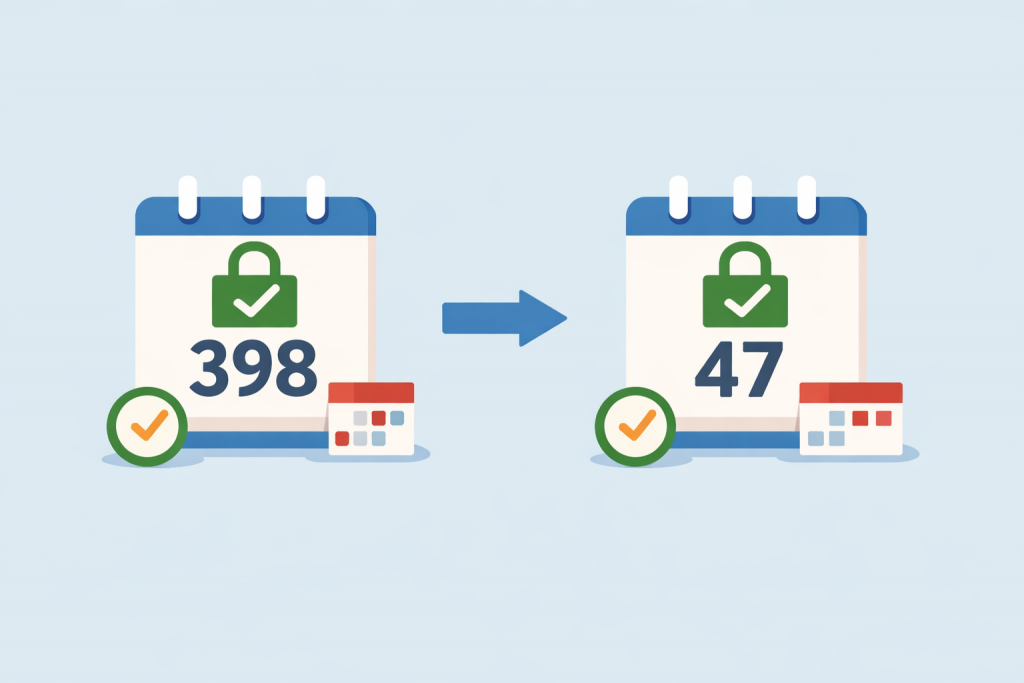
Until recently, an SSL certificate was perceived as a routine service: you paid once a year, configured it, and remembered it the next season. However, the security industry is steadily moving toward a point where the notion of a “year-long” certificate will disappear. Website owners will have to get used to a much more dynamic rhythm.
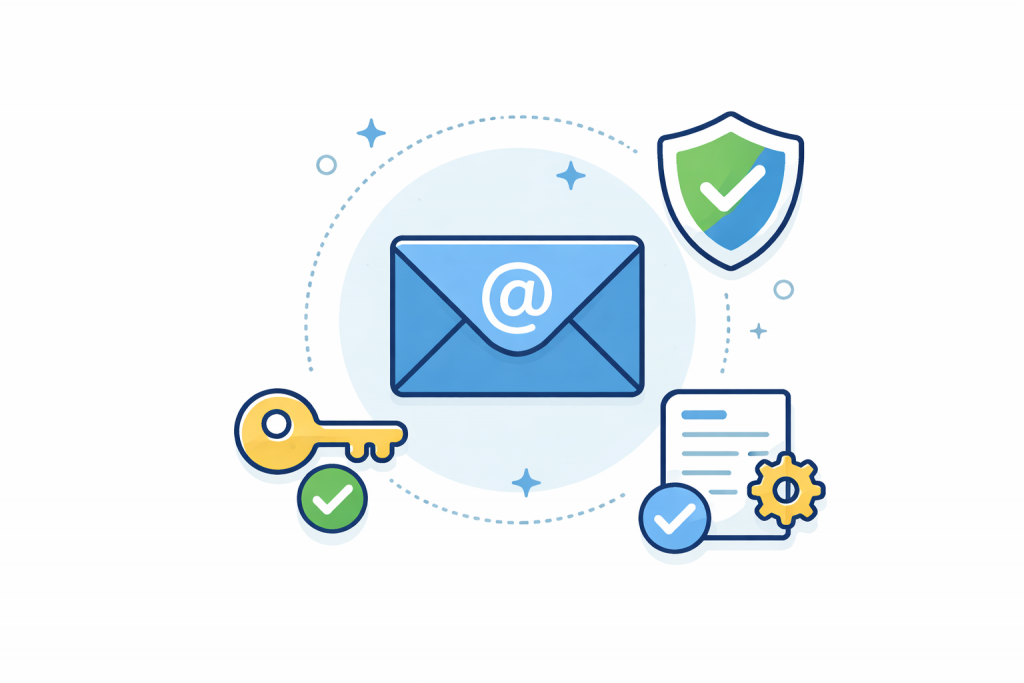
Trust in email is not built by passwords, but by technical verification and authentication mechanisms.
When it comes to email security, most users primarily think about complex passwords. Longer ones, with numbers, symbols, and regular changes. This makes sense, because a password protects access to a mailbox. However, in reality, the password is rarely the main cause of email-related problems. Even a perfect password will not prevent attackers from sending emails on behalf of your domain, spoofing the sender, or reducing trust in your entire email infrastructure. This is where SPF, DKIM, and DMARC come to the forefront — technologies without which modern email simply cannot be considered secure.
Automatic backups without verification can create a false sense of security
Automatic backups have long become a standard practice for websites, servers, and online services. They create a sense of security: the system copies data on a schedule, the user does not spend time, and there is confidence that in case of problems everything can be quickly restored. The term “backup” itself means a reserve copy of data — a copy of files, databases, or settings that is stored separately from the main system. However, automation often creates the illusion of complete protection, while in practice, without control, such backups can become a source of serious risks.
Protecting DNS records is just as important as securing the site itself.
Website security is traditionally associated with protection from hacks, viruses, or DDoS attacks, but in reality, there is another critically important element that even experienced website owners often overlook. This refers to DNS records — the fundamental mechanism that ensures users land on your legitimate website rather than a malicious copy created by attackers. DNS, or the Domain Name System, is the system that translates human-friendly domain names into technical IP addresses. Essentially, it is the “phone book” of the internet. If DNS works incorrectly or is modified by an unauthorized party, your website may become inaccessible, visitors may be redirected to phishing pages, and domain mail services can become completely blocked. This is why DNS protection is just as important as safeguarding servers or web applications.
A PIN code does not guarantee the security of the number
Today, a smartphone is more than just a means of communication — it’s the key to your entire digital life: online banking, social networks, email, and two-factor authentication. Many users believe that setting a PIN on their SIM card is enough to stay safe from attackers. In reality, this code is a relic of the past, designed for completely different purposes, and it cannot withstand modern cyber threats. Let’s explore why a standard SIM PIN won’t save your number — and what you can actually do to protect it.
Why an SSL certificate is key to website trust and security
In an era when cyber threats are becoming increasingly sophisticated, protecting user data is not an additional option, but a mandatory requirement for any website. One of the key tools that ensures online security is an SSL certificate. It is responsible for data encryption, protects against interception of information and increases trust in the resource. But how to choose the right certificate? Let’s figure out how the different types differ, why HTTPS is important for every project and how to easily enable protection via RX-NAME.
How to check the security of your server – the main aspects that cannot be ignored
In today’s world, where information is a key resource for understanding and perceiving everything around us, server security is becoming increasingly necessary.
Your own server can be a repository of valuable data, both personal and business, so protecting it from cyberattacks is an extremely important task today.
In our time, when we share personal information and increasingly communicate with our relatives and close people through online resources, the issue of security and protection of confidential information becomes more relevant. Especially as the number of communication means and platforms for communication increases every year, as does the number of potential cyber threats.
So how do we now choose a secure messenger to keep our own data and private messages secret and away from prying eyes? Let’s talk about this in our article today and consider the most secure messengers for you and your loved ones.
In today’s digital world, where the internet has become an integral part of our lives, data protection is becoming increasingly important and at the same time, a more complex task. In this context, antivirus programs serve as the main line of defense against viruses, trojans, malware, and other cyber threats. So, today in this article, we will focus on this issue and take a closer look at the TOP-5 antiviruses that will help you protect your personal data from all possible dangers.
Email is an important and integral part of the operation of any modern company. Today, it is not only a means of exchanging information, but also an essential tool for business, marketing, and customer service. Therefore, knowing the basic tools for working with email is essential, but its specific settings for effective operation are even more important, which we will focus on in our article today.