Tag: data protection Page 2 of 4

What are the most secure messengers?

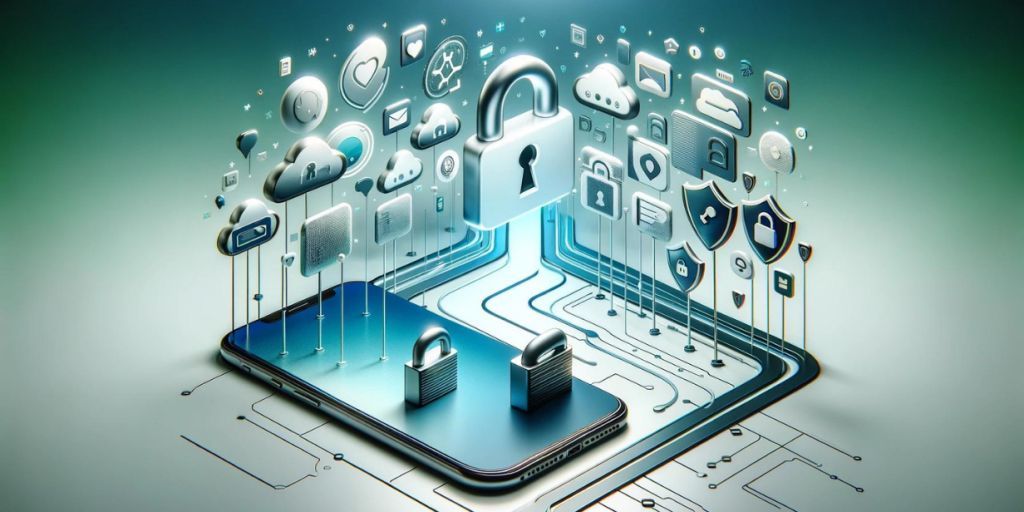
Smartphone with digital locks and messenger, cloud, shield and profile icons representing data protection.
The most secure messengers for communication

In our time, when we share personal information and increasingly communicate with our relatives and close people through online resources, the issue of security and protection of confidential information becomes more relevant. Especially as the number of communication means and platforms for communication increases every year, as does the number of potential cyber threats.

So how do we now choose a secure messenger to keep our own data and private messages secret and away from prying eyes? Let’s talk about this in our article today and consider the most secure messengers for you and your loved ones.

TOP-5 Antivirus for Protecting Your Data

Blue shield with a lock in the center of a digital city, surrounded by binary code and virtual data streams.
Best data protection solutions

In today’s digital world, where the internet has become an integral part of our lives, data protection is becoming increasingly important and at the same time, a more complex task. In this context, antivirus programs serve as the main line of defense against viruses, trojans, malware, and other cyber threats. So, today in this article, we will focus on this issue and take a closer look at the TOP-5 antiviruses that will help you protect your personal data from all possible dangers.

How to Set Up Email: Tips for Beginners and Professionals

A person sits at a desk in front of a computer with an email interface open on the screen.
Tips for effective email setup

Email is an important and integral part of the operation of any modern company. Today, it is not only a means of exchanging information, but also an essential tool for business, marketing, and customer service. Therefore, knowing the basic tools for working with email is essential, but its specific settings for effective operation are even more important, which we will focus on in our article today.

How Not to Get Hooked: Tips for Checking Websites for Online Fraud

Computer monitor with a lock and shield image surrounded by security interface elements.
Checking websites before online purchases

In our era, where the Internet has become an integral part of our lives, it’s evident that online fraud is becoming an increasingly common problem. However, by knowing and adhering to certain rules and safety measures, one can protect oneself from these threats. We will discuss these in more detail in our article today.

SSL Certificates for E-commerce: Building Trust with Customers

A large digital-style lock with lock and shopping cart icons around it, symbolizing secure online payments and e-commerce.
Customer trust in secure online shopping

In the era of the digital economy, safeguarding information on websites has become of paramount importance and an integral component thereof. One commonly employed method to ensure the confidentiality and integrity of data is the use of SSL certificates. We have previously discussed their significance in our articles, and today we want to emphasize their importance to all website owners, particularly those engaged in e-commerce.

What to Do If Your Email Is Hacked?

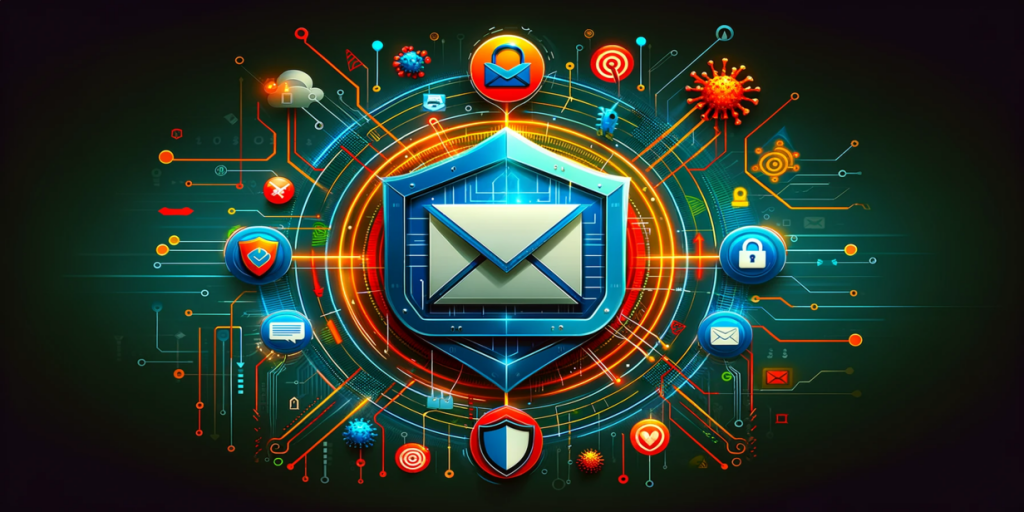
Blue shield with an envelope symbol in the center, surrounded by icons of locks, viruses, messages, and flowcharts.
Email protection from hacking

Email is often linked to banking services, social networks, hosting, domains, and other accounts. This means unauthorised access to your mailbox may lead not only to someone reading your messages, but also to password resets, access to documents, or emails being sent in your name.

Firewall in Home Internet: Why It’s Important for Your Router

A wall with a visualization of the network, depicted in the form of related photos and icons, in front of which stands a workplace with computers.
The importance of a firewall in the home internet

A firewall is not just a technical term. It’s an essential defensive mechanism for your home internet that helps protect your devices and data from unwanted threats. In this article, we’ll take a closer look at what a firewall is, why it’s crucial for your router, and how it contributes to the security of your home network.

GDPR as Data Protection for Internet Users. How It Works in Practice

Blue background with yellow stars in a circle, in the center the words GDPR and a lock icon symbolizing data protection.
European data privacy and security standards

In the era of digital technologies, where online data exchange has become a necessity, the protection of personal data has become an increasingly important issue. In 2018, the General Data Protection Regulation (GDPR) came into effect, changing the approach to processing personal data in the European Union. Today, let’s take a closer look at how GDPR works in practice and how it ensures the protection of internet users’ data.

Cybersecurity in the Digital Age: What You Need to Know About Threats and Information Protection

Backlit lock against a background of digital data and network connections.
Cybersecurity in the digital age — the main threats and ways to protect information

In the digital age, where practically every aspect of our lives has shifted to the online realm, cybersecurity has become an exceedingly relevant and crucial topic. With each passing day, the capabilities of the internet grow, and so does the number of cyber threats. In this article, we will explore the fundamental aspects of cybersecurity and provide tips for safeguarding your personal and business data in the digital world.

The Technical Aspect of SSL: How Data Transmission Encryption Works on Your Website

A person sits at a computer in a dark room with code projections all around.
SSL provides encryption of data during transmission between the user and the site

When a user opens a website over HTTPS, the browser and server agree on the parameters of a secure connection. The server confirms its identity with a digital certificate, after which both sides create session keys and begin exchanging encrypted HTTP requests and responses. Without those keys, intercepted traffic is practically impossible to read or alter without detection.

Page 2 of 4