
Tag: DNS

Why It’s Important to Protect Not Only the Website but Also DNS Records

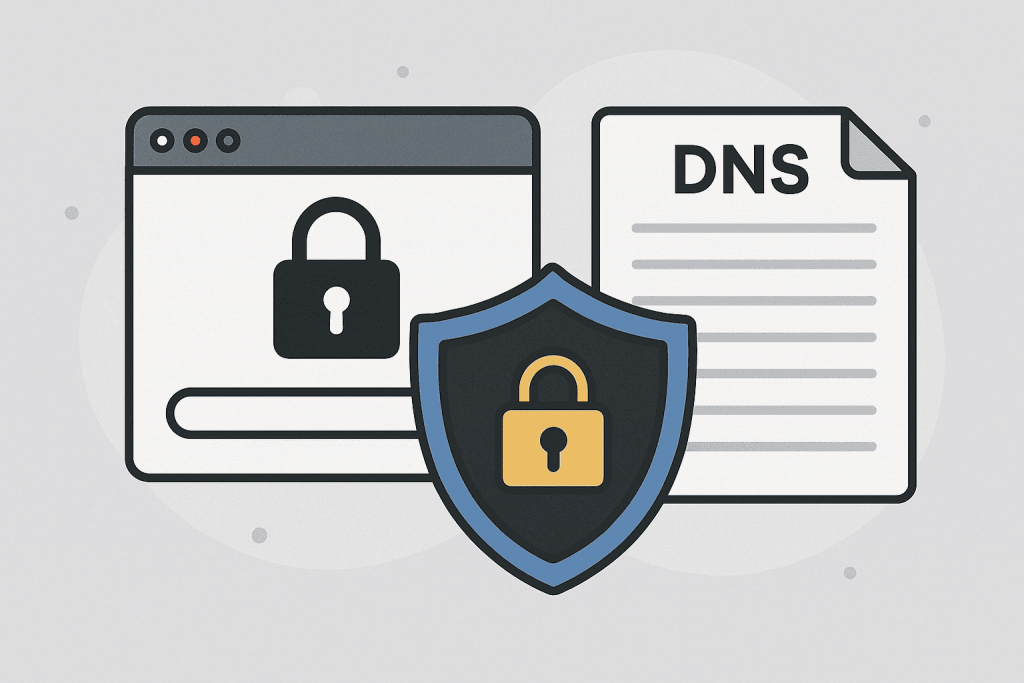
Illustration with symbols of locks, browser and DNS document, conveying the theme of DNS record and website security.
Protecting DNS records is just as important as securing the site itself.

Website security is traditionally associated with protection from hacks, viruses, or DDoS attacks, but in reality, there is another critically important element that even experienced website owners often overlook. This refers to DNS records — the fundamental mechanism that ensures users land on your legitimate website rather than a malicious copy created by attackers. DNS, or the Domain Name System, is the system that translates human-friendly domain names into technical IP addresses. Essentially, it is the “phone book” of the internet. If DNS works incorrectly or is modified by an unauthorized party, your website may become inaccessible, visitors may be redirected to phishing pages, and domain mail services can become completely blocked. This is why DNS protection is just as important as safeguarding servers or web applications.
How DNS Caching Determines the Moment a Website Updates Across the Internet

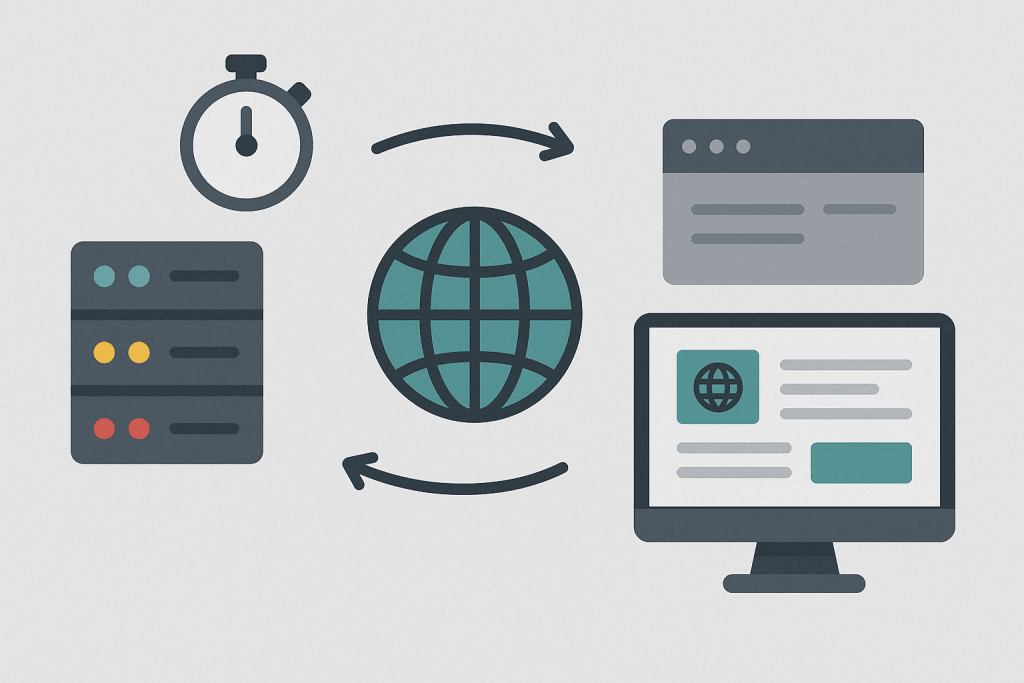
Server, browser, timer, and monitor icons connected by arrows around a globe symbolizing DNS updates.
The DNS cache affects how quickly site changes become visible on the network

When website owners change content, update the design, move the project to another server, or even change the domain, it’s natural to expect that all users will see these updates immediately. However, the internet works differently. And the main reason for delays in the distribution of new data is the DNS caching mechanism. It determines when exactly the website updates become visible to the world and forms what is often called “DNS propagation.” To understand why this process cannot be accelerated instantly, you need to understand how DNS and DNS caching work.

What Should Be Rethought After the Cloudflare Outage

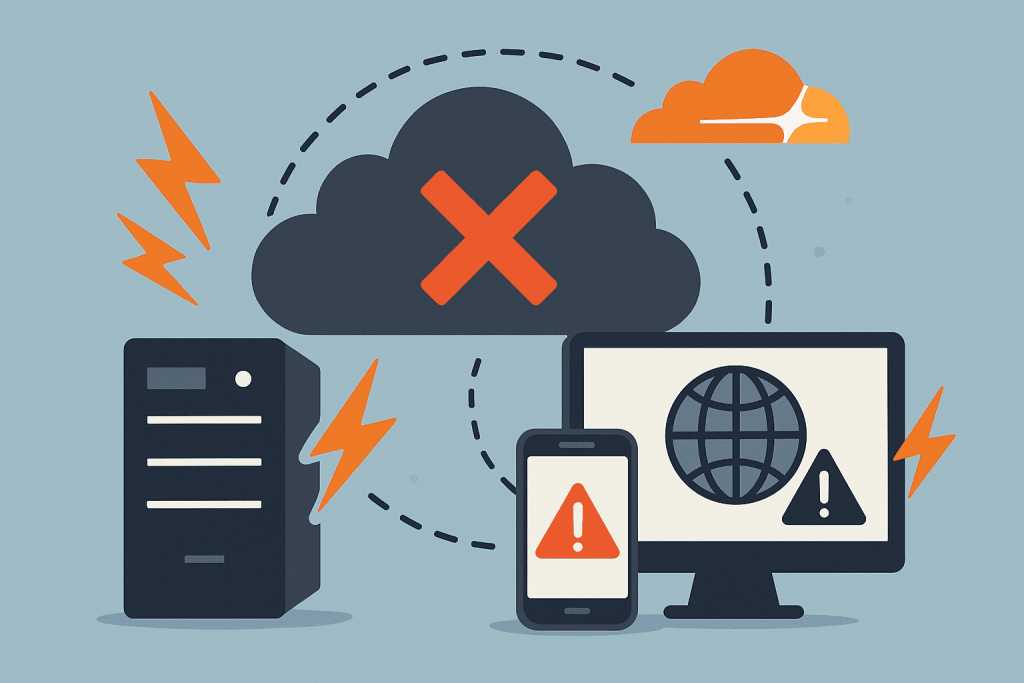
Server, smartphone, and computer show errors during cloud infrastructure failure.
Vulnerability of infrastructure on which millions of websites depend

When a small website goes down, it’s a problem only for its owner. But when Cloudflare, one of the largest infrastructure service providers on the internet, goes down, the problem becomes global. The latest outage once again demonstrated that the modern internet depends on Cloudflare far more than it may seem at first glance. Tens of thousands of websites stop loading, some applications behave unpredictably, and even major international platforms fall into digital “darkness.” This is not just a technical incident — it is a reason to reevaluate your architecture and understand how the internet works today.

How DNS Recursion Works and Why a Query Sometimes Travels Around the World

An entrepreneur examines a globe through a magnifying glass, following the route of DNS requests passing between continents.
A DNS request travels a certain distance before the site opens

We’re all used to the idea that the internet “just works”: you type a website address into your browser — and a moment later it opens. But behind this simplicity lies a complex system without which the web wouldn’t exist at all. It’s called DNS — the Domain Name System. This system is responsible for translating the human-friendly domain name into the technical IP address of a server. However, few people realize that to obtain that address, a query may sometimes travel halfway around the planet before reaching its destination. The reason lies in a mechanism known as DNS recursion.

Monitoring DNS and SSL Uptime – Free and Paid Services with .UA Coverage

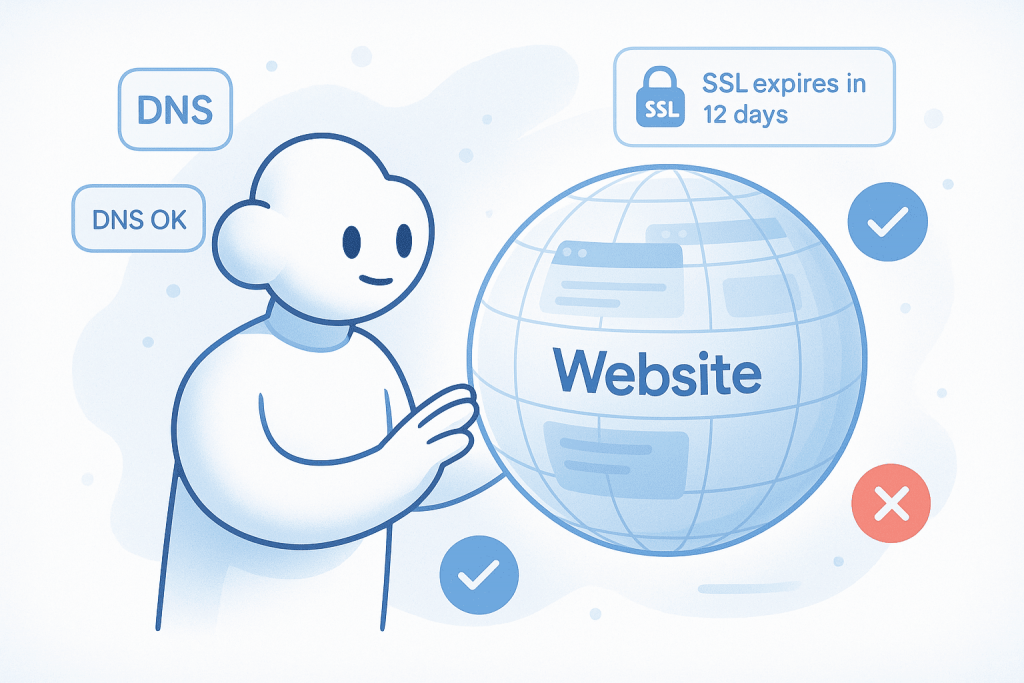
The character is checking a globe with the words "Website" around it, which displays DNS statuses and a message about the expiration of the SSL certificate in 12 days.
How to monitor the operation of the site and update SSL and DNS in a timely manner

In today’s digital landscape, ensuring your website is online 24/7 is not just a preference — it’s a necessity. Even the most reliable hosting or VPS doesn’t guarantee uninterrupted availability. A crucial component of maintaining your site’s stability is monitoring the uptime of DNS and SSL certificates, especially for domains in the .UA zone, where trust and availability are essential for business continuity.

In this article, we’ll explore why monitoring DNS and SSL uptime matters, which free and paid tools are available, and what specific considerations apply to .UA domains.

Virtual DNS Locations – How to Improve Website Speed and Availability with Anycast DNS

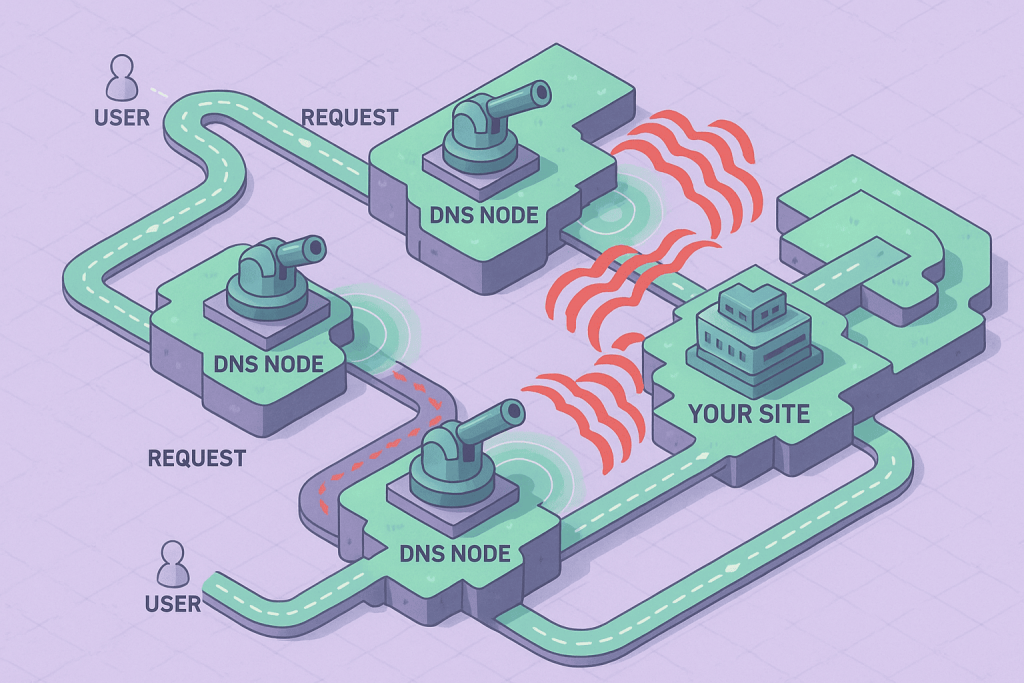
Schematic of routing user requests through multiple DNS nodes to a site using Anycast.
How Anycast DNS helps speed up a site and ensure stable access

In today’s internet environment, every millisecond counts. Website speed and stability directly affect user experience, search engine rankings, customer trust, and a company’s reputation. One of the key components that influence website performance is DNS infrastructure. In this article, we’ll explore how virtual DNS locations based on Anycast DNS can improve performance, ensure high availability, and enhance the security of your online resources.