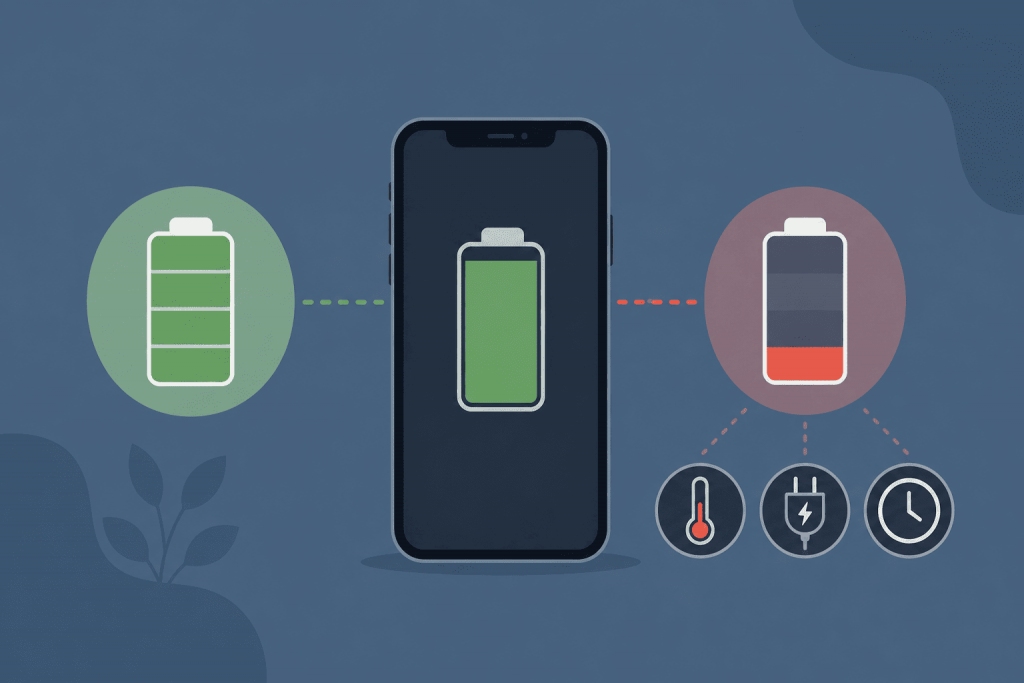
Battery status changes gradually even though the phone is working normally
The iPhone battery health section includes a figure called “Maximum Capacity.” At first, it shows 100%, then the number gradually goes down. The name may make it seem that 90% maximum capacity means the phone can no longer be charged fully. But it does not.
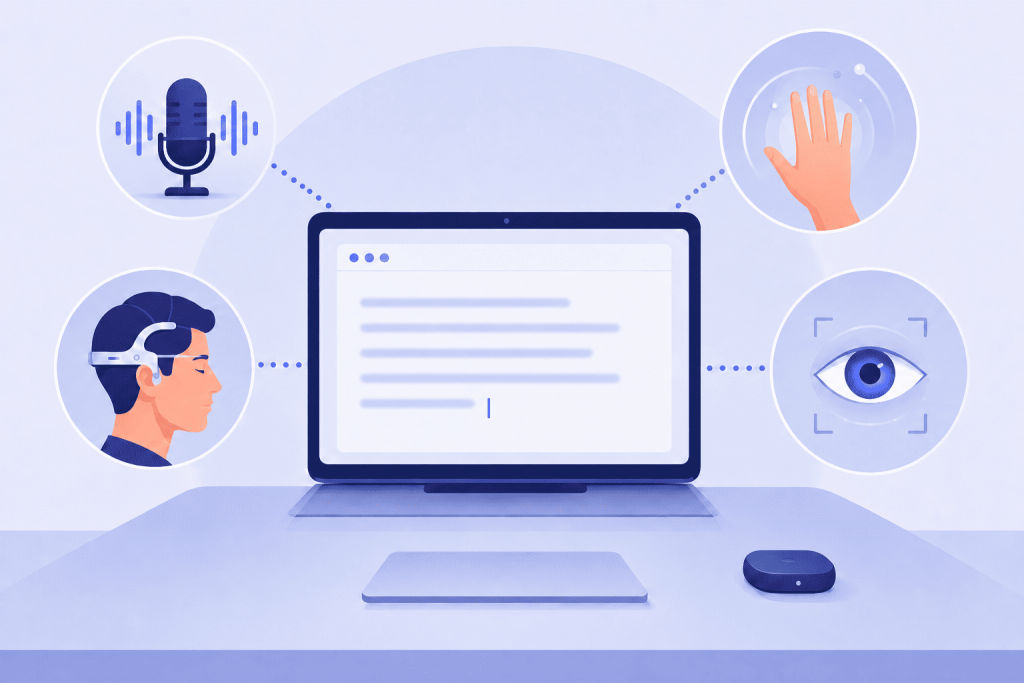
Text transmission becomes part of a broader interaction between a person and a system
The keyboard feels so familiar that it is easy to see it as a permanent part of the computer. We use it to enter passwords, write emails, work with websites, manage a server through the terminal, place an order in an online store. It is accurate, fast, and understandable. But that does not mean the keyboard will always be the main way to enter text.
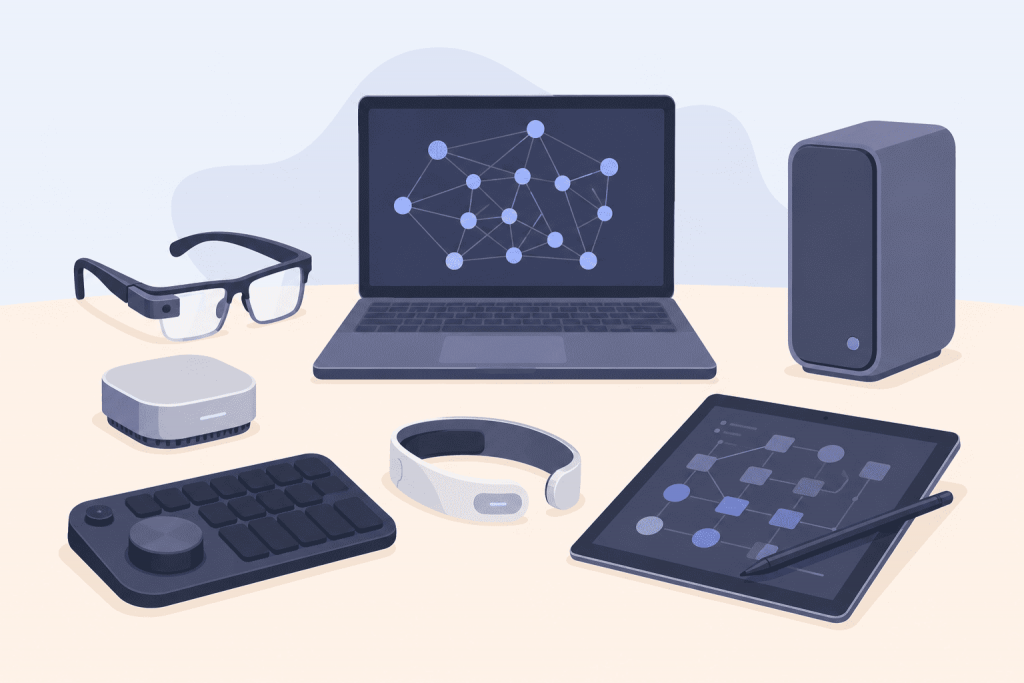
Not that long ago, most interaction with AI followed a pretty simple pattern: open a browser, type a request, get a response. But at some point it became noticeable that large companies had started moving in a slightly different direction. AI is gradually stopping being a separate service “somewhere in a tab”. It’s being built directly into the devices themselves.
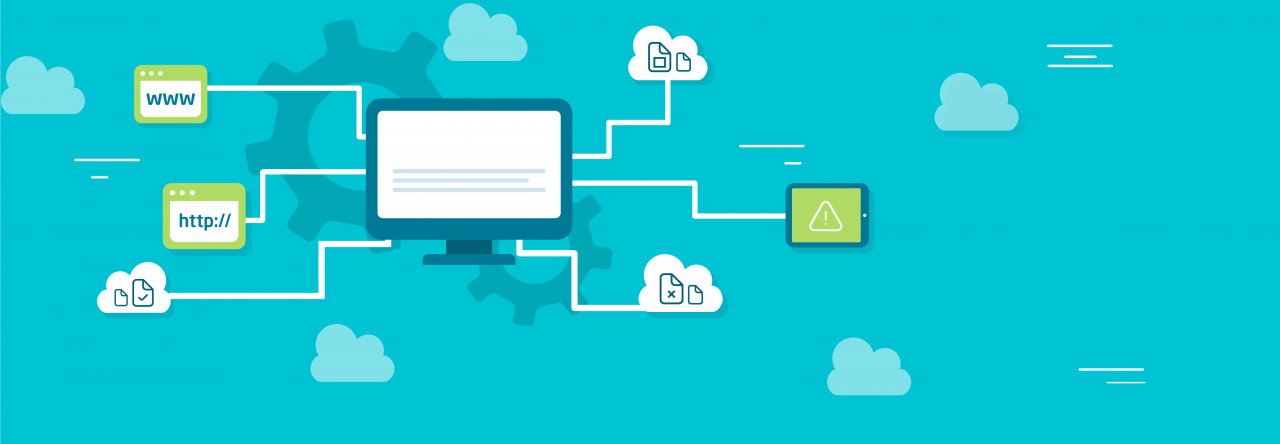
The Internet as a space that unites people around the world
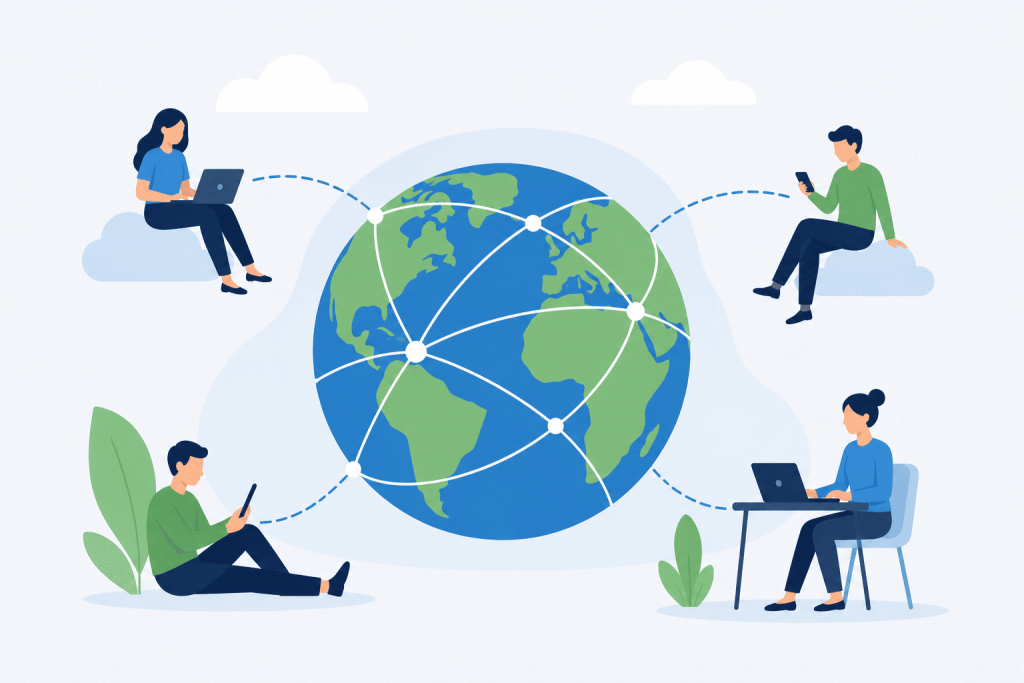
May 17 is marked on the calendar as two closely related occasions: World Telecommunication and Information Society Day and Internet Day. This date is tied to the year 1865, when the International Telecommunication Union was founded. Back then, rules for international telegraph communication were being developed. Later, Morse devices were replaced by telephone lines, then mobile communication, satellites, and fiber optics appeared. Now information can be transmitted across distances in milliseconds.
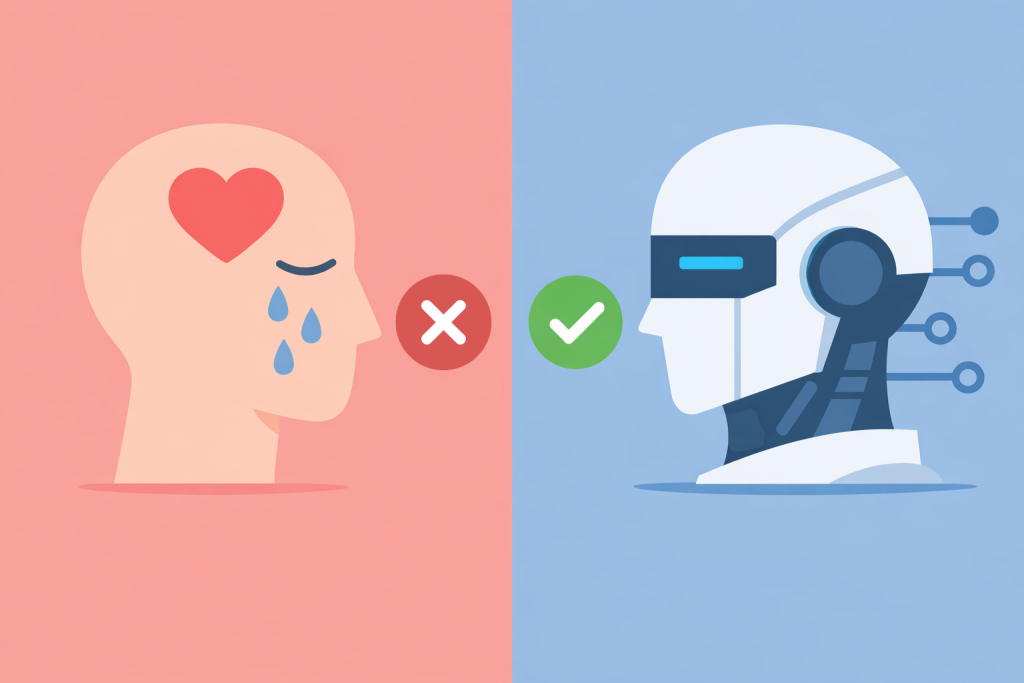
Not so long ago, the main measure of a neural network’s quality was considered its ability to imitate a human. Polite courtesies, extended introductions, and soft phrasing created the illusion of a live interlocutor. At the stage of getting familiar with the technology, this helped remove the barrier of distrust, but over time the priorities shifted.
Different approaches to work and application ecosystems
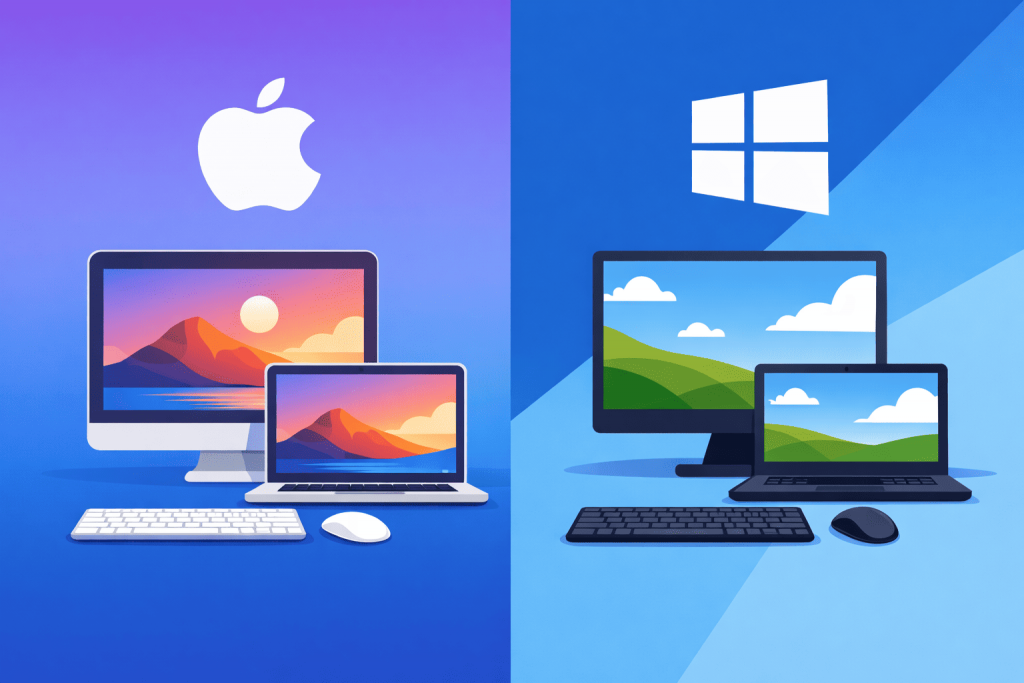
Discussions about what is better – macOS or Windows – usually flare up again after another Apple presentation. While some users cannot imagine a working day without a MacBook, others see such loyalty to the platform as nothing more than the result of marketing. In reality, the difference lies in fundamental approaches to developing software and hardware. Windows was originally created as a universal constructor that must run on thousands of combinations of motherboards and graphics cards. Apple chose another path, locking the system to its own hardware.
New tools are changing the approach to digital content creation
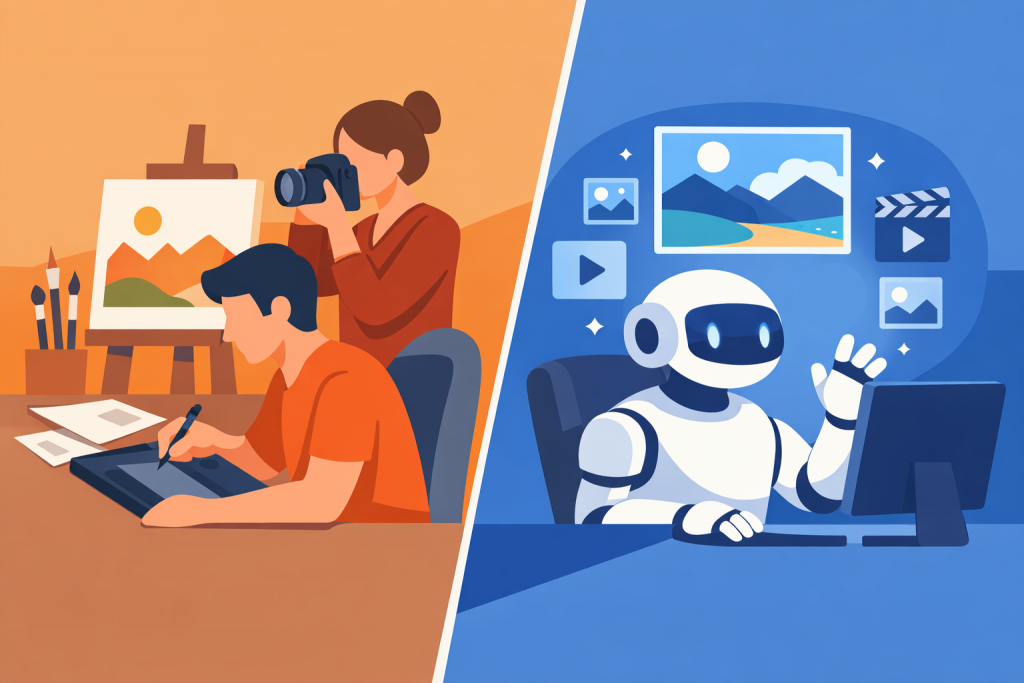
Just a few years ago, generating images with artificial intelligence looked more like a technical curiosity. The models could already draw pictures from a text description, but the result was… let’s say unpredictable. People with six fingers, strange proportions, objects appearing where nobody asked for them. It was interesting to look at. Using it in real work – not really.
Computing resources as a new strategic asset of the modern economy
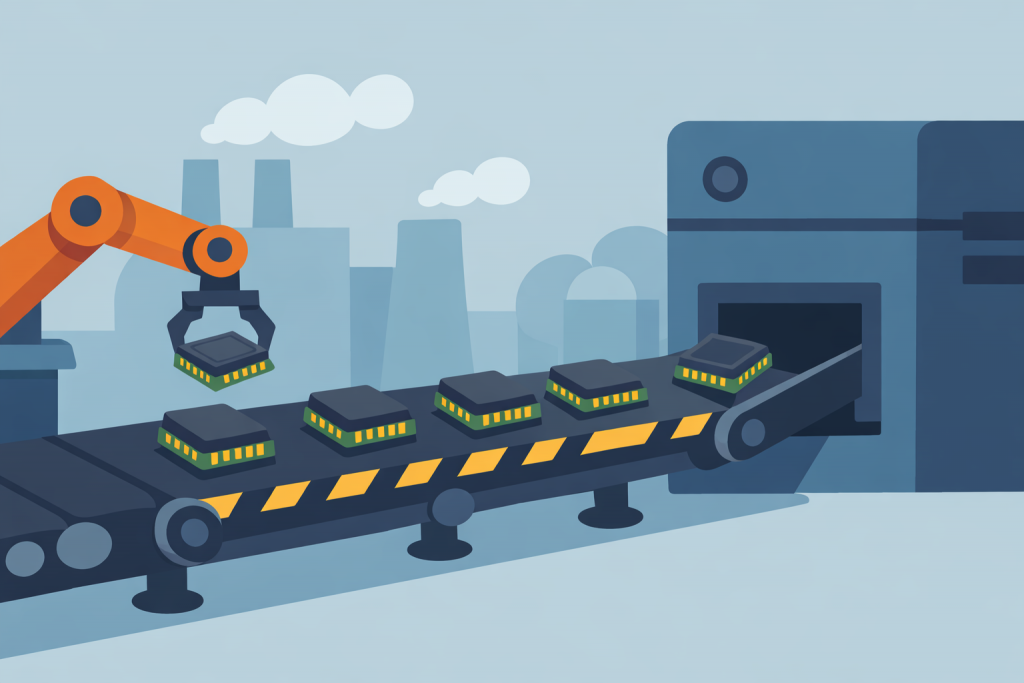
Global digital services are growing faster than ever before. The volume of data, the scale of computations, and the complexity of algorithms are increasing so rapidly that infrastructure can no longer keep up with these changes. What not long ago seemed like a matter of optimization or proper server configuration has now turned into a systemic problem. The world is gradually entering an era of computing resource shortages, where processing power, memory, and bandwidth are becoming insufficient on a global scale.
Expanding technological infrastructure beyond the planet
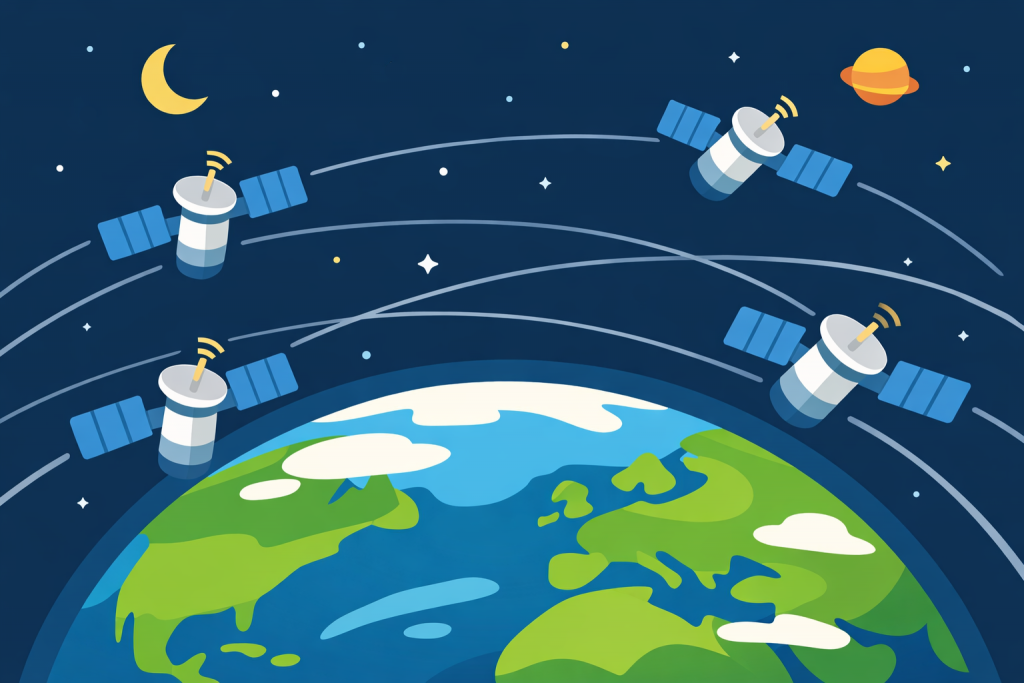
Not so long ago, space remained a domain for scientific experiments, individual missions, and highly specialized research. The number of satellites in orbit was limited, and their tasks were narrowly focused. Today, the situation is changing fundamentally. Space is gradually turning into a full-fledged environment for mass technologies that affect everyday life on Earth, even if this influence is not always immediately noticeable.
The beginning of the era of digital communication at a distance
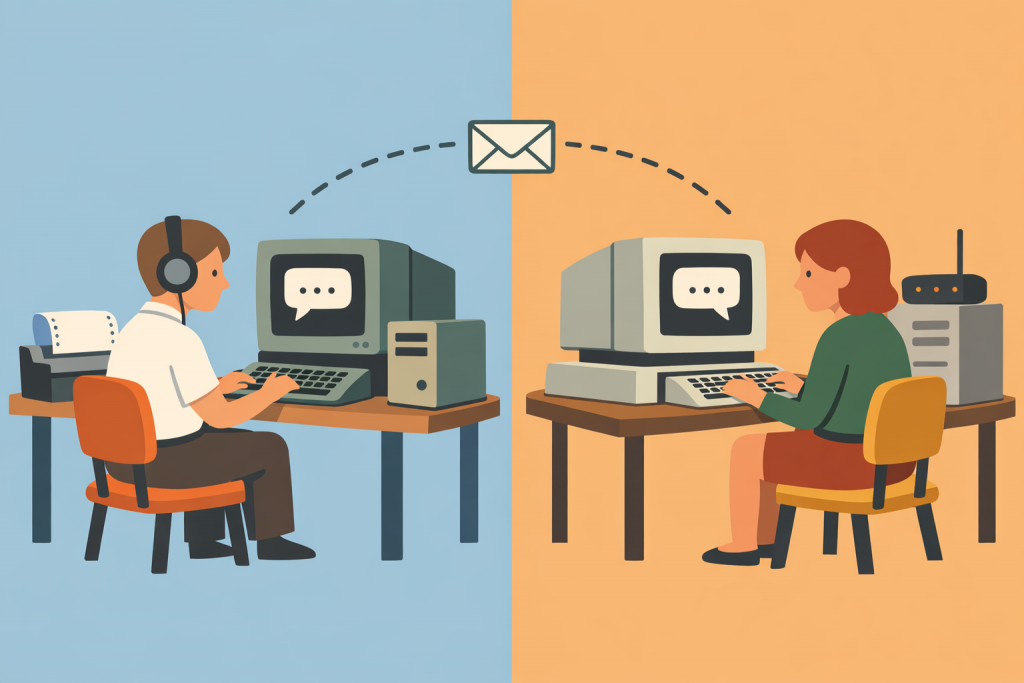
The idea of sending messages over a distance appeared long before computers and the internet. For centuries, people relied on paper letters, couriers, and postal stations. However, with the emergence of computer networks in the second half of the twentieth century, correspondence began to shift into digital form. This period marked the birth of email — a service that later became the foundation of modern digital communication.