
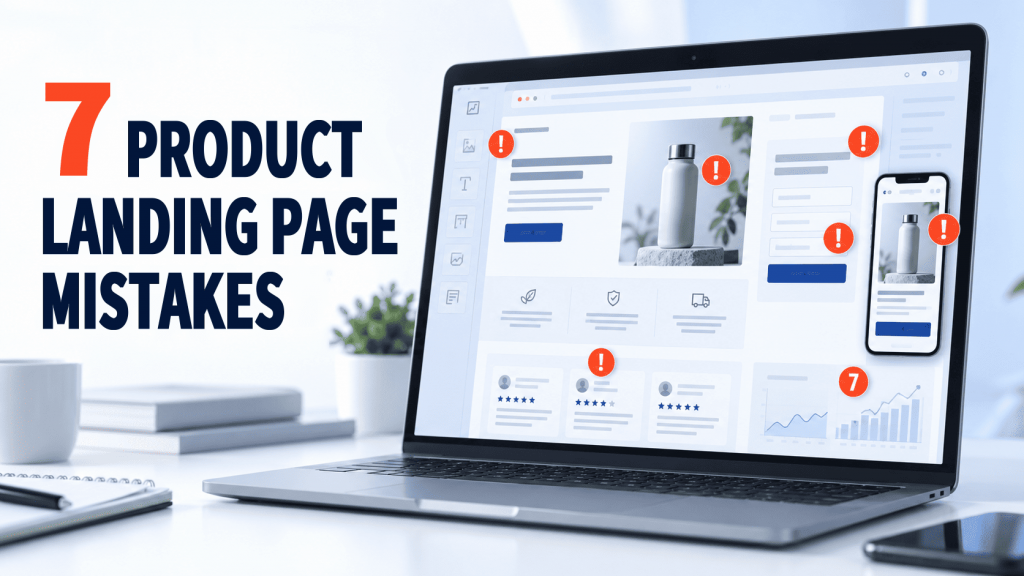
A successful product landing page launch doesn’t start with just choosing a product and ads. Orders are often lost before the “Buy” button because of mistakes in the page itself, in testing and in handling leads.
A successful product landing page launch doesn’t start with just choosing a product and ads. Orders are often lost before the “Buy” button because of mistakes in the page itself, in testing and in handling leads.
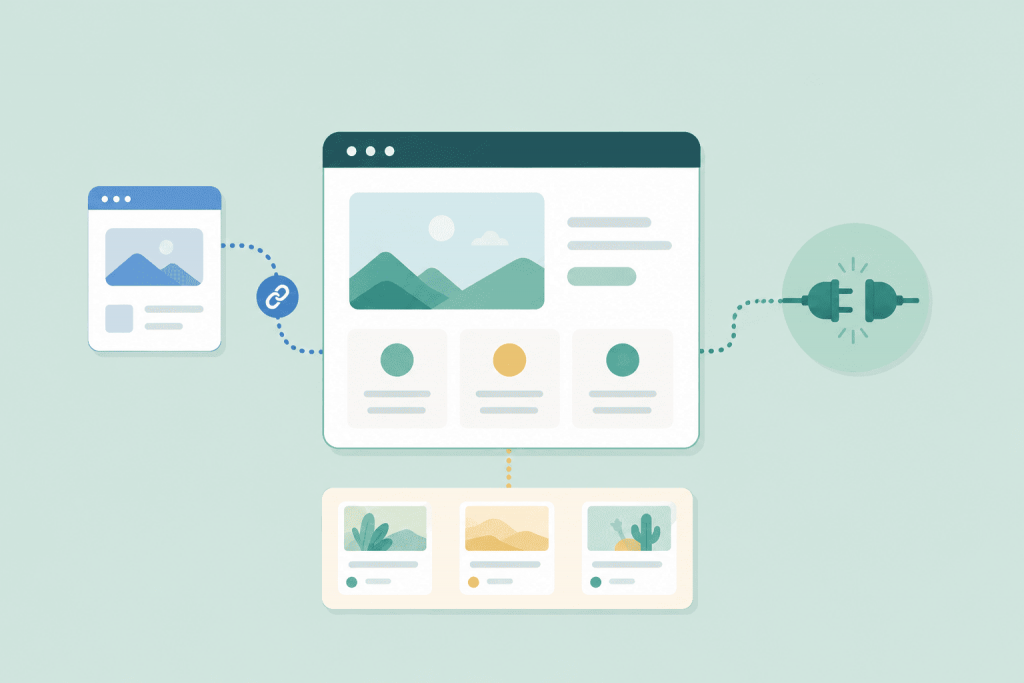
A blog often appears only after the main website has already been launched. There is a corporate website, an online store or a service, everything works, the domain has been indexed for a long time, and now you need to add a section with articles. And that brings up a very practical question: where exactly should it be placed, and will the whole website have to be rebuilt just for the sake of a blog?
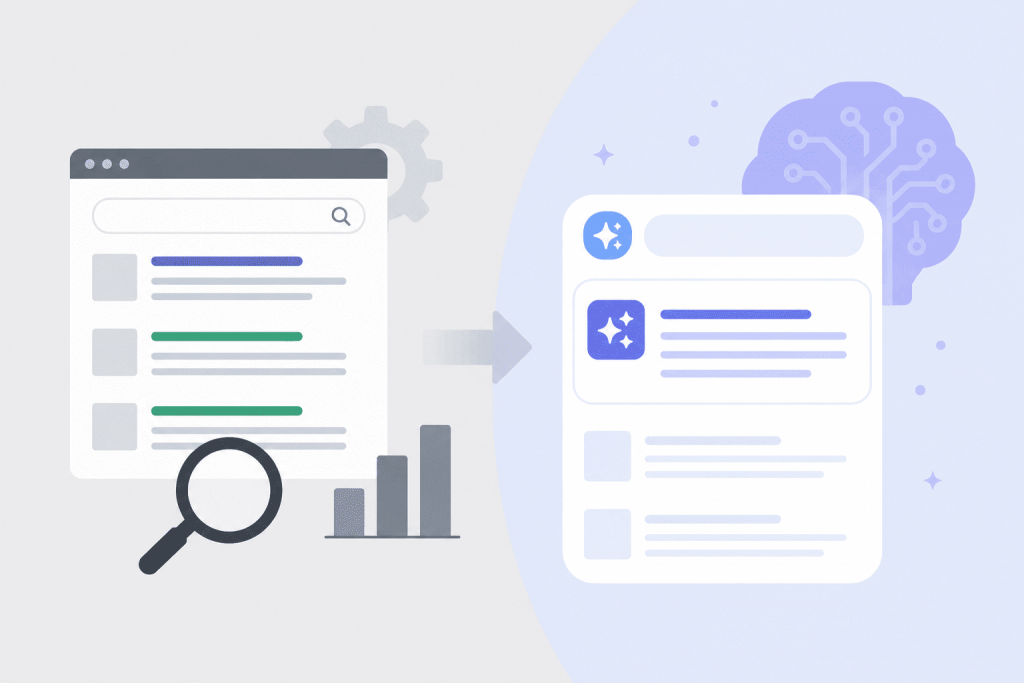
A website can rank well in Google for years, receive steady traffic, and gradually lose part of its audience even without any drop in rankings. This is currently one of the strangest situations in search. Everything seems to be working, there are no technical issues, SEO is being done, content is being published. But people are increasingly getting answers before they even open the website itself.
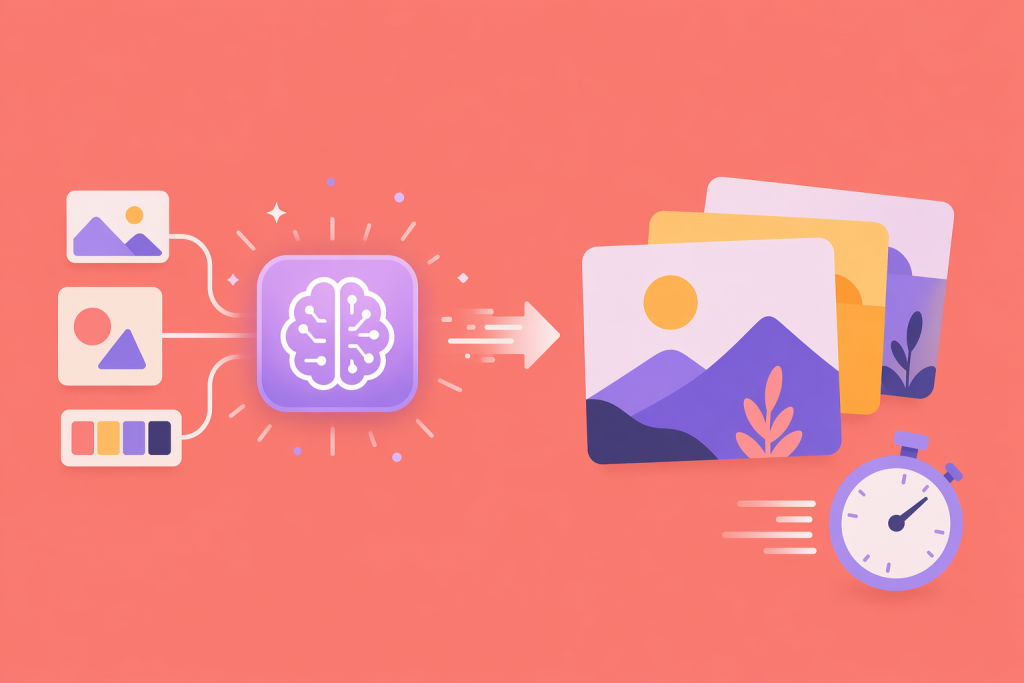
Previously, creating any kind of visual content for a business usually turned into a time-stretched process with budgets and the search for designers. Banners for a website or social media visuals became tasks that kept getting postponed. Now the situation is different: artificial intelligence produces ready content in a matter of minutes. Design has stopped being a “bottleneck” that slows down a project launch.
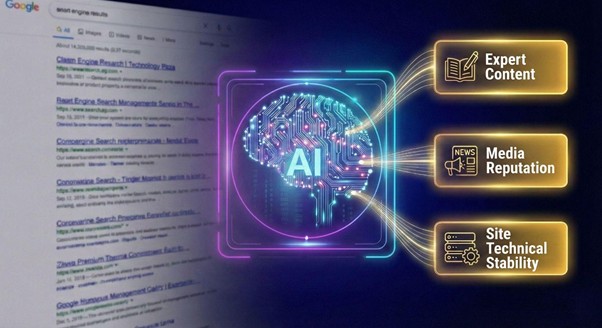
A business’s online presence is changing not because of trends, but because of how users behave. Fewer people scroll through dozens of websites in search results. More often, they receive a short answer or a curated list of recommendations directly within a service interface — in ChatGPT, Gemini, or Google’s AI Overviews. In this environment, simply ranking at the top of Google is no longer enough. What matters far more is whether a company appears credible, clear, and trustworthy.
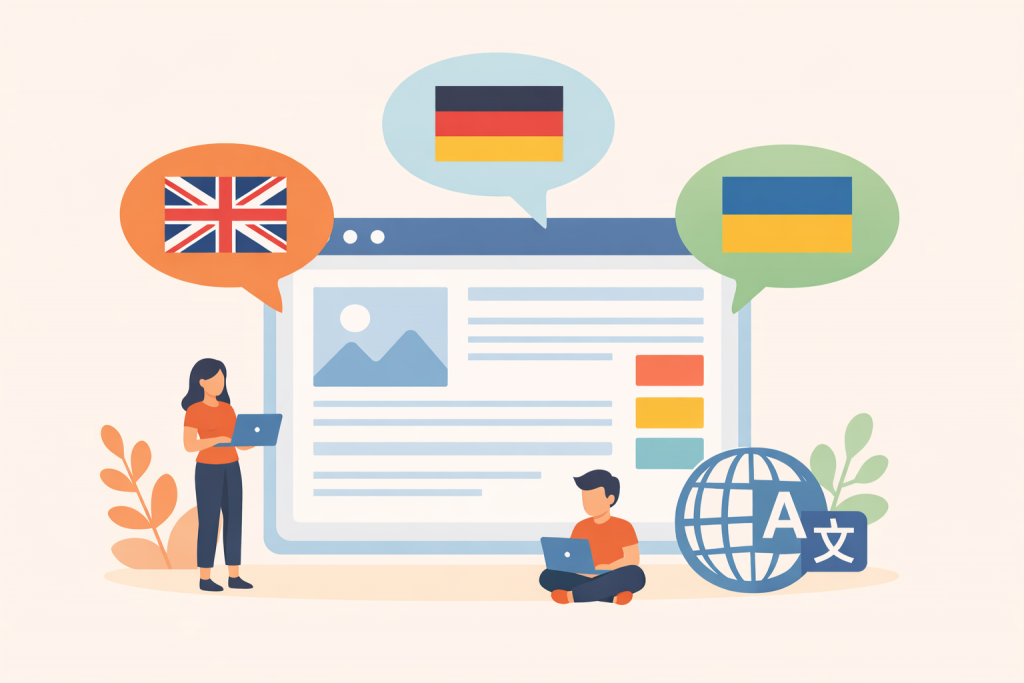
Many website owners focus on just one language, usually the one spoken by their main audience. This seems like a logical decision at the start, but over time it begins to limit growth. The internet has no borders, and users from different countries search for the same products, services, and information every day, but they do so in their own language. That is why a multilingual website becomes a powerful tool for increasing organic traffic — visits that come from search engines without paid advertising.
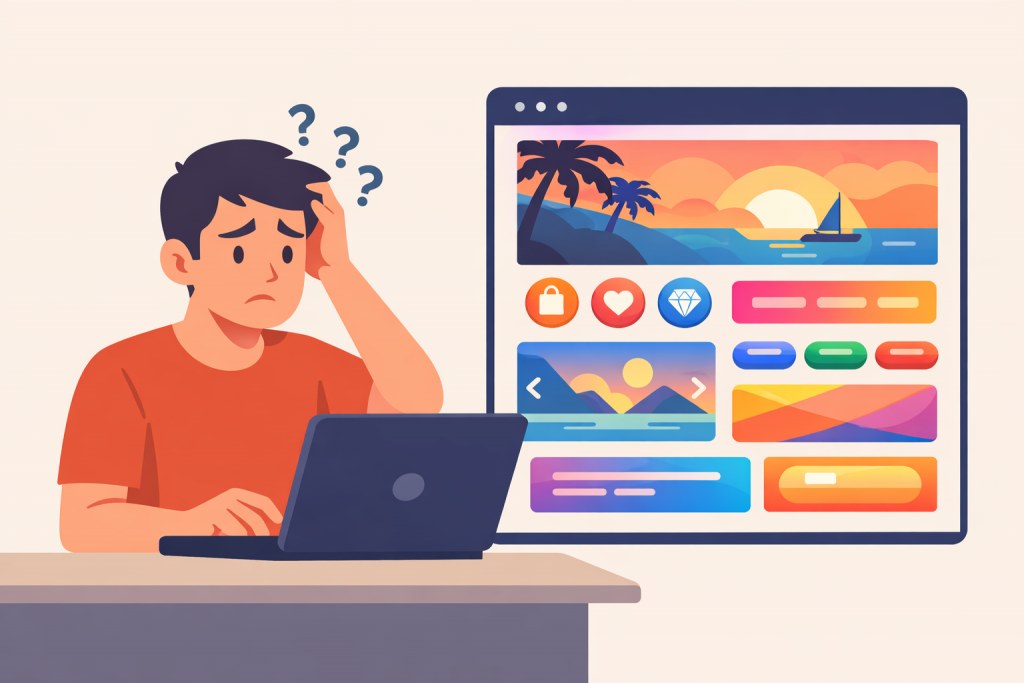
Many website owners are convinced that if a design looks modern, stylish, and expensive, sales will appear automatically. Beautiful animations, large images, unusual fonts, and creative blocks make an impression—but they do not always work toward real results. The problem is that design is often evaluated through the eyes of the developer or the business owner, not the real user who comes to the site with a specific goal: to understand the offer and make a purchase decision.
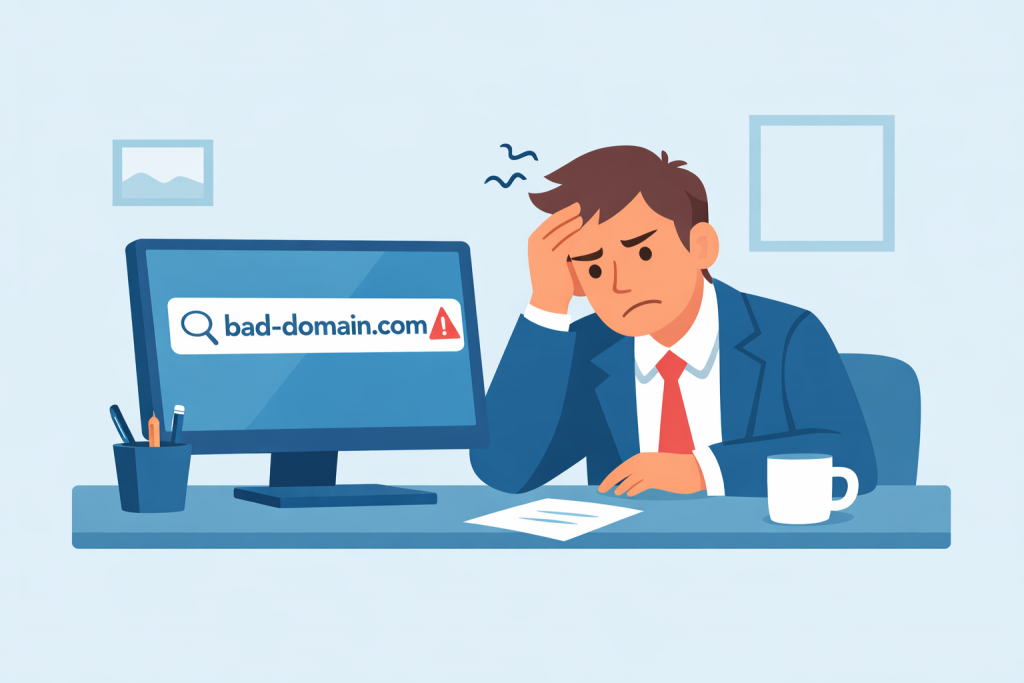
Launching a website often begins with choosing a domain name. The domain becomes the first point of contact between a business and a user, the foundation of the brand, and the address by which the site is found in search results, advertising, and recommendations. At this stage, many owners treat the domain as a technical formality and do not give it enough attention. Mistakes made when choosing a domain rarely appear immediately, but over time they begin to affect trust, recognition, and even financial results. The most difficult part is that after a website is launched, changing the domain with no losses is almost impossible.
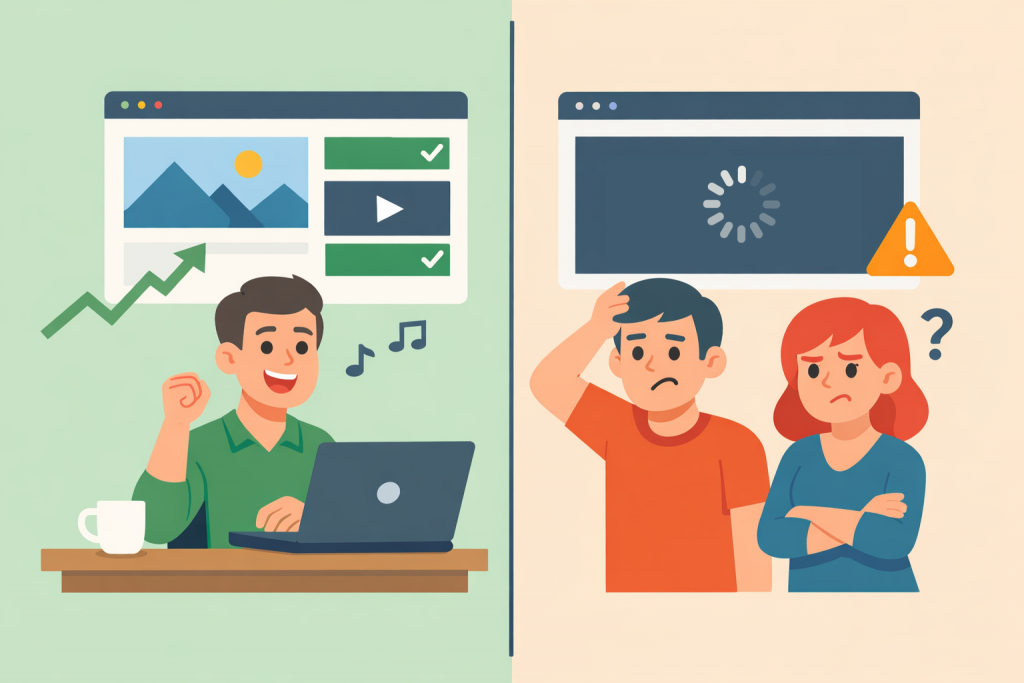
Many website owners are confident that everything is fine with their resource: pages open, buttons work, and the contact form functions properly. The site displays correctly on the work computer, loads quickly in a familiar browser, and raises no suspicions. However, the paradox is that at the same time this very website may be almost inaccessible or inconvenient for real clients. Visitors come in but leave quickly, without submitting requests, reading content, or making purchases. The reason lies in the difference between the conditions in which the owner sees the site and those in which users access it.
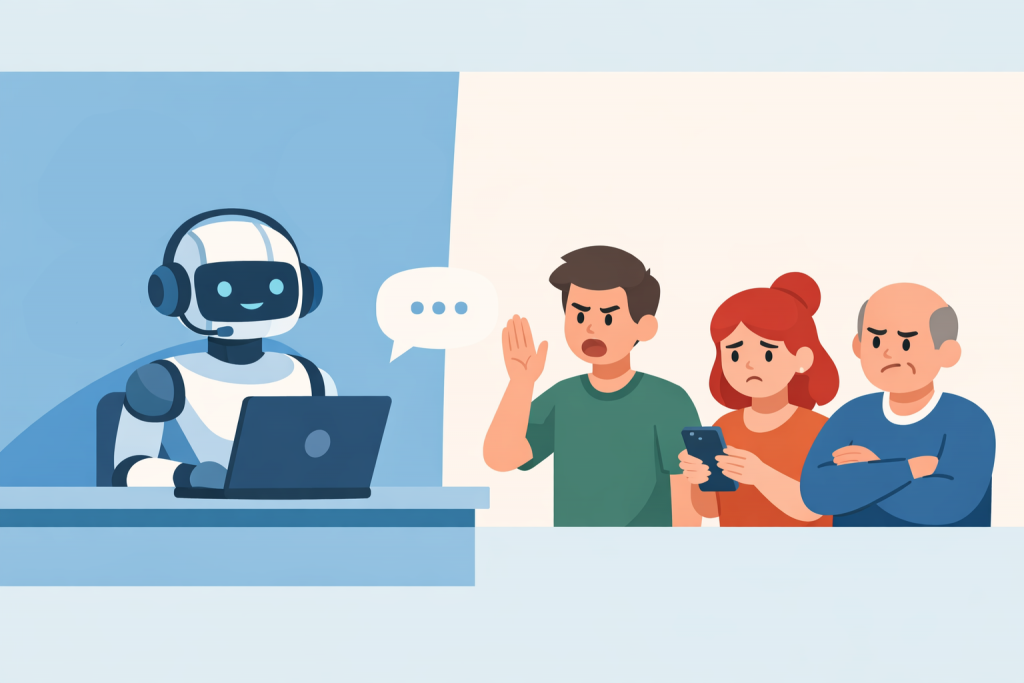
Automation has long ceased to be something exceptional. Systems for automated accounting, customer support, billing, and infrastructure management are perceived as a mandatory stage of business development. It promises cost reduction, speed, and scalability. However, automation is not a universal solution. In certain situations, it not only fails to help but also creates new problems that are more difficult and expensive to solve than the original manual processes.