Even useful emails may not reach the recipient if the email is configured incorrectly
Sometimes, emails sent from a company’s professional address suddenly stop reaching recipients. Just yesterday, everything was working flawlessly, but today, messages quietly land in the “Spam” folder or vanish entirely along the way. Worst of all, critical documents get lost because of this: invoices, order confirmations, or support replies.
The role of legal requirements in domain name ownership
Domains are often treated as if they were a simple purchase. A name is found, its availability is checked, the registration is paid for – and the matter seems closed. In reality, things are a bit more complicated. A domain does not exist outside the rules: every domain zone has its own system of requirements, and registrars and zone administrators only enforce these rules.
The transfer may be delayed due to zone rules and technical inspections.
Domain transfer usually looks like a simple operation. The owner decides to change the registrar, receives a transfer code, confirms the request – and the domain is supposed to move to another company. In practice, this scenario does not always happen quickly. A procedure that was expected to take a few hours or a day sometimes stretches out for several days. If the domain is tied to a working website, corporate email, or advertising campaigns, the waiting is felt much more sharply.
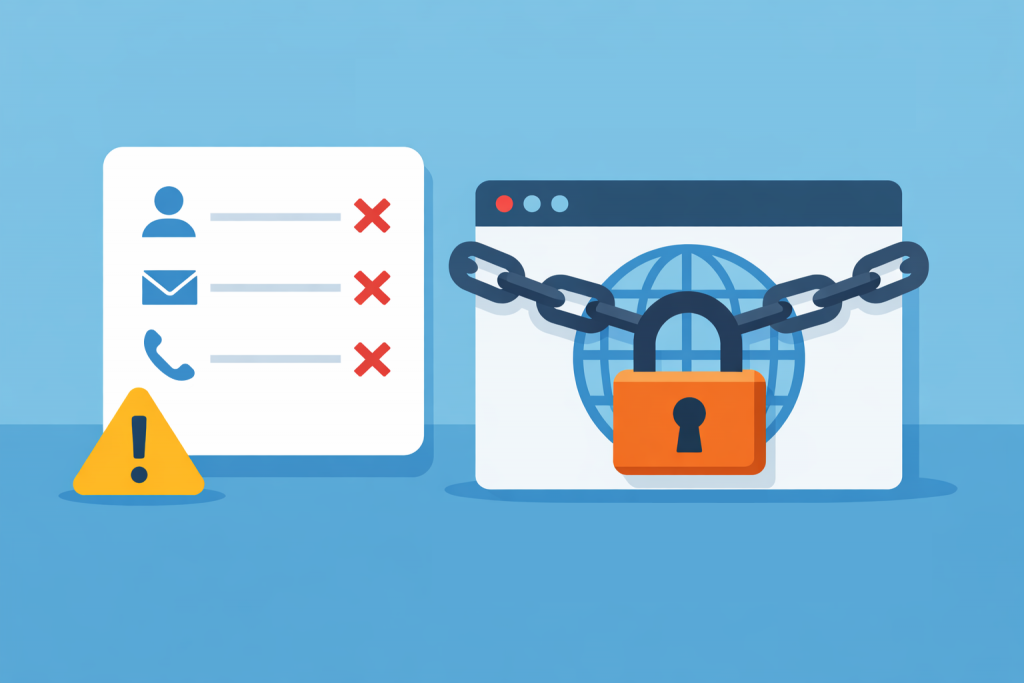
When a domain is registered, the form with contact details usually gets very little attention. The name is checked, the payment goes through – the main thing is that the domain starts working. Fields with the name, phone number or email are often filled in quickly. Sometimes the data is even copied from old accounts or internal documents. The problem shows up later.
New domain zones undergo careful approval before appearing in open registration
Twenty years ago, choosing a domain name was simpler: there were only a few popular zones like .com, .net, .org and national domains for different countries. But today the internet includes addresses with extensions such as .shop, .art, .blog, .online, .app and even .pizza or .coffee. It may seem that a domain can be any word, and there is some truth in that. However, the process of creating a new domain zone is not chaotic and follows clear rules. Understanding how names after the dot are formed and who approves them is possible thanks to an organization without which the modern internet would not exist.
The process of transferring a domain to another owner requires verification of data and compliance with the registrar’s rules
A domain can be handed over in several different ways, and the right one depends on what actually needs to change. If the domain stays with the same registrar, you may only need to change the registrant or move the domain between accounts. If the new user wants the domain managed by another registrar, that is an inter-registrar transfer. These are separate procedures, so check the rules of the domain zone before you start.