

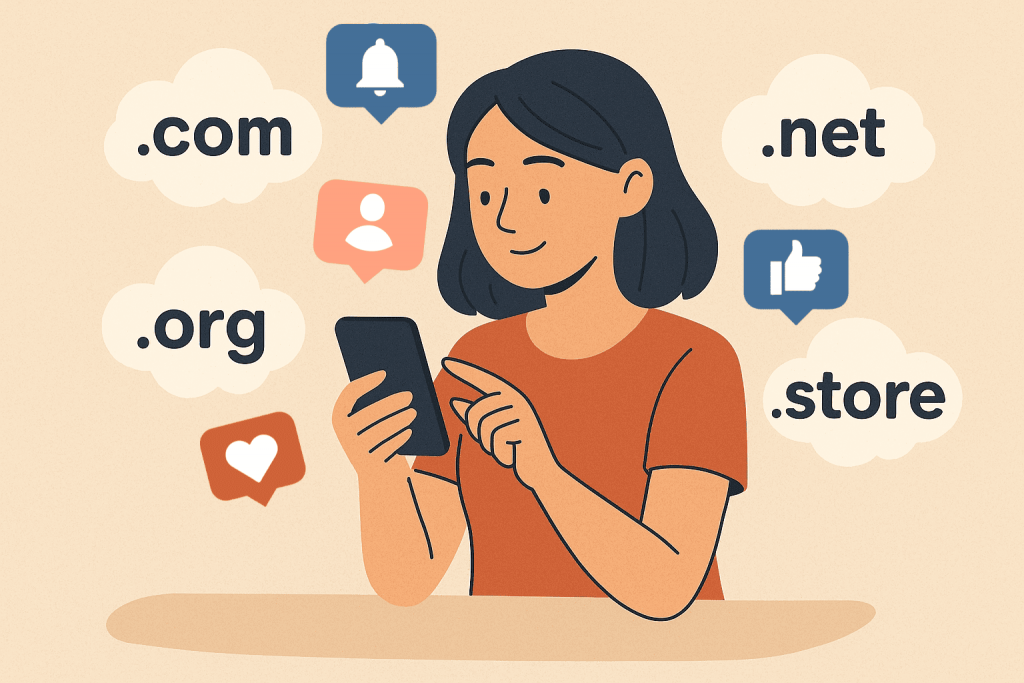
In today’s digital world, social media determines which topics become popular, which brands grow, and which content formats attract the most attention. It also influences which domain zones users register more often. In the past, choosing a domain was mostly a technical decision: companies picked classic .com or .net, and personal websites relied on local domains. However, with the rise of TikTok, Instagram, YouTube, and new platforms, the demand for domain zones has begun to shift under the influence of trends, influencers, and content formats. To understand why certain domains become fashionable, it’s important to see how exactly social networks shape users’ digital behavior.
The Creator Generation and the New Culture of Personal Domains
Social media has turned millions of people into creators — individuals who produce content and build their own online communities. For these users, a personal website has become not just a digital card, but a part of their brand. Creators want a domain that reflects their niche, style, or content format. This explains the popularity of domain endings such as .blog, .art, .live, or .photo. These domains immediately clarify the type of activity, which is crucial in an era of fast information consumption where users decide within seconds whether to click a link. Since the trend toward personal branding keeps growing, the demand for domains with a clear semantic meaning continues to rise.
Viral Trends and the Instant Popularity of Domains
Social networks can create new trends in words, themes, and formats within days. This is how virality works — a phenomenon where content spreads rapidly among users. If a particular word or meme becomes popular, related domain zones can instantly move into the spotlight. A vivid example is the .ai domain, which became extremely sought-after after the boom of interest in artificial intelligence technologies. Trendy content on TikTok or X triggers a wave — startups, bloggers, and even small businesses rush to register a domain that looks modern and aligns with the current trend. Demand grows, prices increase, and the market reacts to cultural shifts much faster than would have been possible ten years ago.
Influencers as Drivers of Digital Fashion
When a popular influencer chooses a domain for their website or project, it automatically affects the demand among their followers. Influencers set aesthetics, style, and even communication tone — and the same happens with domains. If a well-known blogger launches a site on .me or .store, part of the audience wants to replicate this choice, associating such decisions with success or authority. That’s why companies managing domain zones collaborate with media figures to promote their TLDs. This creates a trend: first it’s someone’s stylish choice, then it becomes a mass phenomenon where a specific domain format becomes the norm for a particular community.
Growth of Niche Communities and the Rise of Thematic Domains
Social media actively shapes niche communities: culinary bloggers, gaming streamers, podcasters, educators, tech startups. Each of these groups wants to stand out not only through content but also through online positioning. That is why domain zones like .game, .cooking, .studio, .tech, or .academy gained popularity during periods when social platforms created huge demand for personalized content in these areas. For users, a domain is part of their identity. It must meet the expectations of an audience that is used to fast navigation and instant understanding of context in social media feeds. With the continued growth of niche communities, this trend will only intensify.
Commercialization of Content and Business Interest in New Domain Zones
Businesses have long understood that social media is not just a promotion platform but also a source of new commercial opportunities. When a trend becomes mainstream, companies quickly adapt, creating microsites, landing pages, and special campaign pages. If video content is trending, demand for .video increases; if online stores are booming, .shop and .store become more popular. This generates a wave of commercial demand that follows social media trends with a small delay but with much larger budgets. For domain registrars and TLD owners, this means the opportunity to launch new zones aligned with modern digital tendencies.
How Social Media Trends Will Shape Domain Zones in the Future
As social networks become the main communication platform and content becomes the core of digital culture, domain zones will continue to shift under these influences. We already see the rising demand for domains connected to AI technologies, video content, streaming, creative professions, and personal branding. In the future, new TLDs may appear directly inspired by social media trends, while older domains may get renewed relevance thanks to the popularity of specific content formats. The key is understanding that a domain is no longer just an internet address. It has become a tool of identity, marketing, and user interaction.
If you are planning to create your own website or brand, you should pay attention not only to technical requirements, but also to the trends shaping audience expectations. Social media already dictates what domains should look like — short, meaningful, relevant. That is why choosing the right domain zone has become an essential part of the digital strategy for anyone who wants to stand out in today’s online environment.
Leave a Reply