
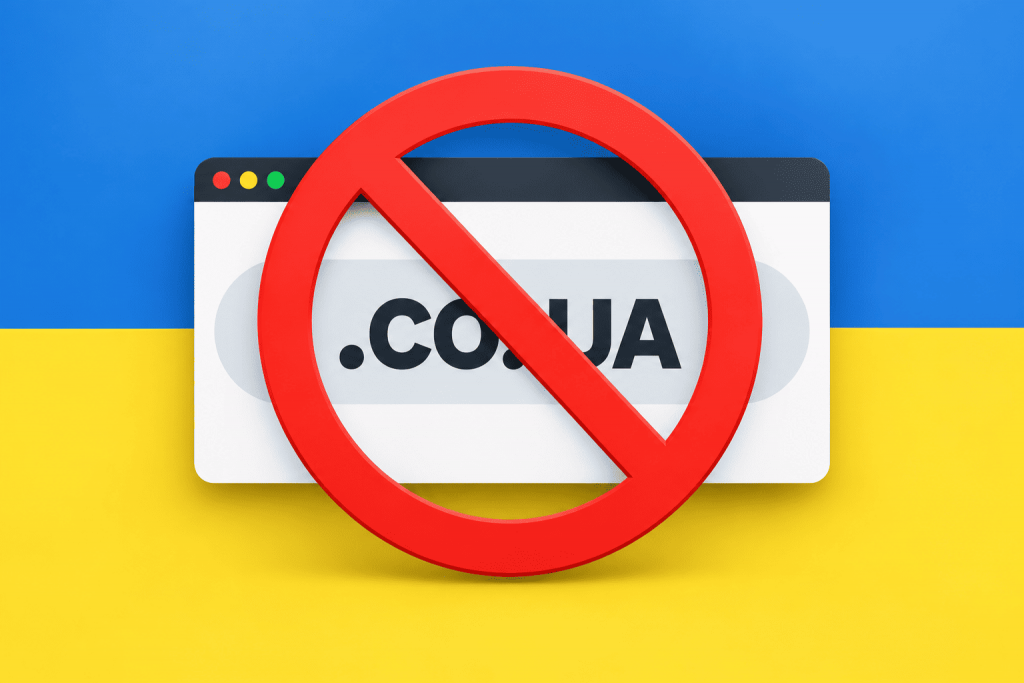
On September 24, 2026, the NCU issued Order No. 736/4531 restricting access to a number of web resources, including the entire .CO.UA domain zone.

On September 24, 2026, the NCU issued Order No. 736/4531 restricting access to a number of web resources, including the entire .CO.UA domain zone.
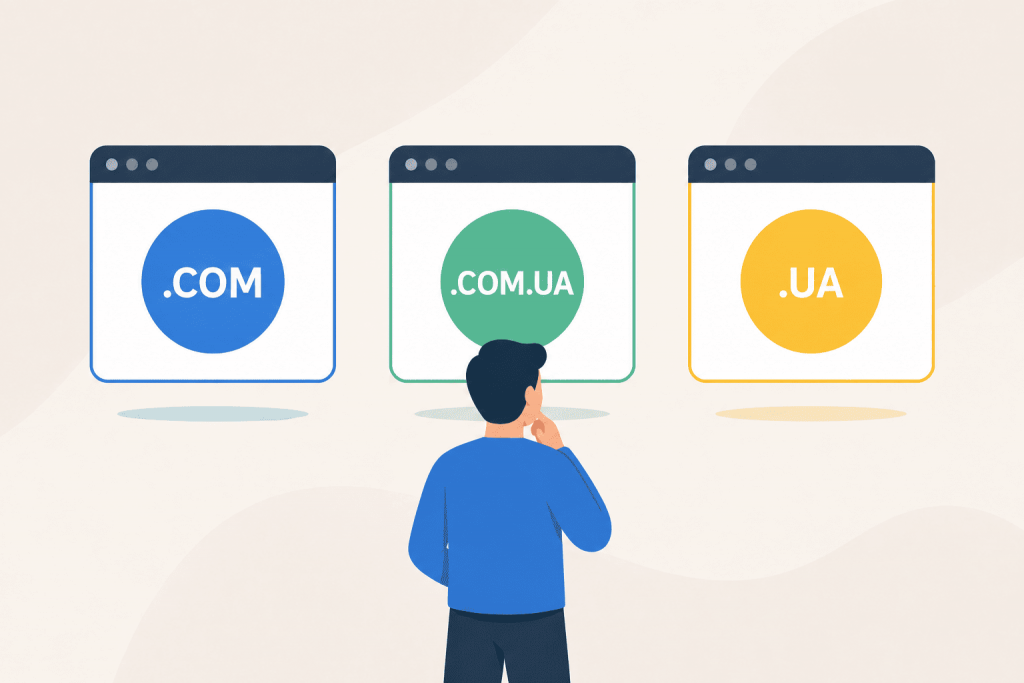
When a website is almost ready, choosing a domain is often left until the last moment. It seems that the main thing is to find an available name. But then the question appears: should you take .COM, .COM.UA or .UA?
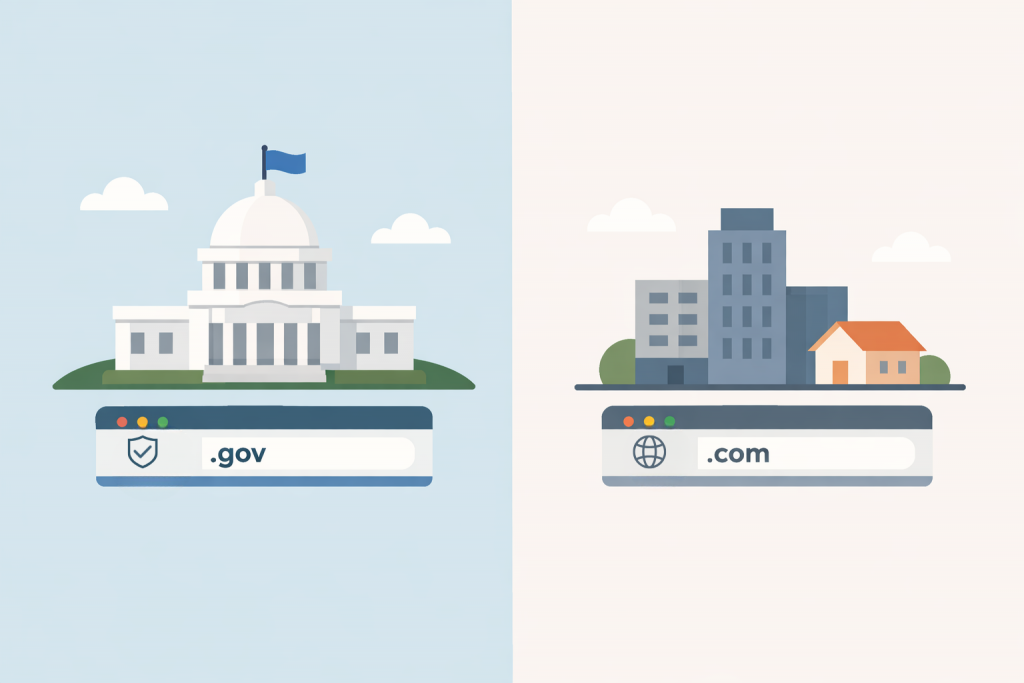
When a user sees the address of a government authority in the browser bar, the level of expectations automatically increases. This is not just a link, but a marker of official status and verified data. Behind this perception is not psychology, but a very specific logic of administration and strict filters at the registration stage.

In practice, choosing a domain often runs into the technical regulations of registries, which users usually discover only after payment. Automatic activation within five minutes is the standard for mass-market zones such as .COM or .NET, but there are many extensions where manual moderation or document verification is an integral part of the process. Registries introduce these barriers not to create difficulties, but to filter out cybersquatters, fake organizations, and protect the reputation of the zone itself.

When choosing a domain name, many website owners automatically focus on international zones such as .com or .net. They seem universal, familiar, and “safe.” However, in practice, a national domain often works more effectively, especially if the website is aimed at a specific country, its audience, and its market. In such cases, the domain zone becomes not just an address, but a tool for building trust, recognition, and even better business results.
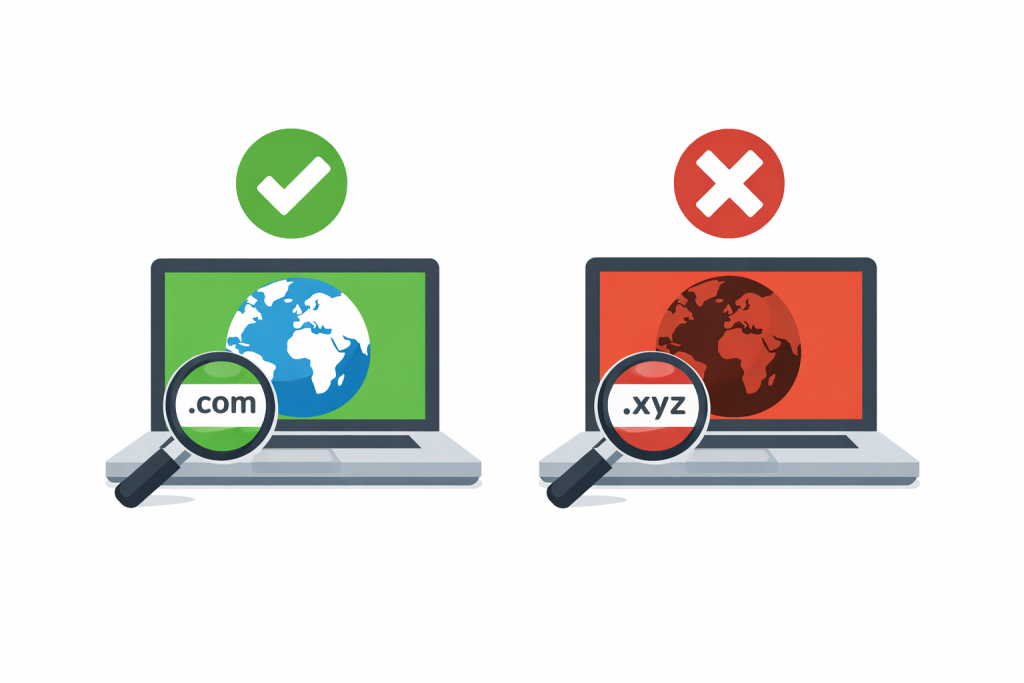
When getting acquainted with a website, users usually do not analyze it consciously — a decision is formed within seconds. Design, name, loading speed, and even the website address work together to create a first impression. That is why the domain zone, meaning the part of the address after the dot, can significantly affect the level of trust. For many people, it carries hidden signals about reliability, geography, business seriousness, or even potential risks.
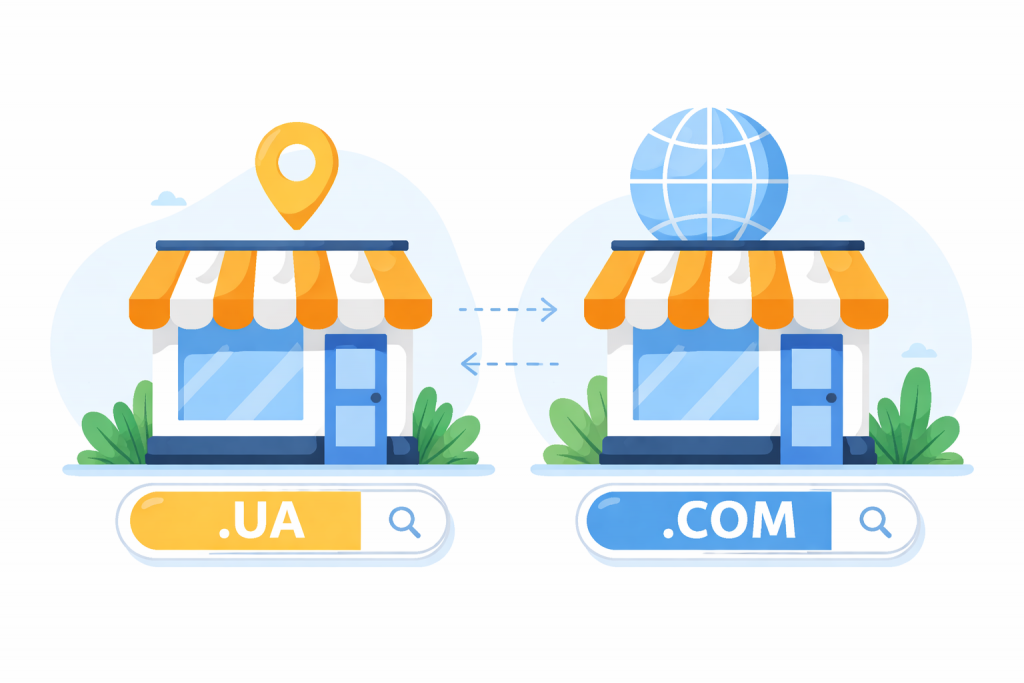
For many entrepreneurs, a domain is simply a technical website address that needs to be registered quickly in order to start operating. Most often, the choice falls on the universal .COM zone, as it is familiar to users worldwide. However, for local businesses in Ukraine, this approach is not always optimal. The .UA domain zone, as well as the related .COM.UA, often work more effectively because they do more than just indicate a website address — they shape the correct perception of the brand, its scale, and the market it is focused on.
In today’s digital world, social media determines which topics become popular, which brands grow, and which content formats attract the most attention. It also influences which domain zones users register more often. In the past, choosing a domain was mostly a technical decision: companies picked classic .com or .net, and personal websites relied on local domains. However, with the rise of TikTok, Instagram, YouTube, and new platforms, the demand for domain zones has begun to shift under the influence of trends, influencers, and content formats. To understand why certain domains become fashionable, it’s important to see how exactly social networks shape users’ digital behavior.

Twenty years ago, choosing a domain name was simpler: there were only a few popular zones like .com, .net, .org and national domains for different countries. But today the internet includes addresses with extensions such as .shop, .art, .blog, .online, .app and even .pizza or .coffee. It may seem that a domain can be any word, and there is some truth in that. However, the process of creating a new domain zone is not chaotic and follows clear rules. Understanding how names after the dot are formed and who approves them is possible thanks to an organization without which the modern internet would not exist.