

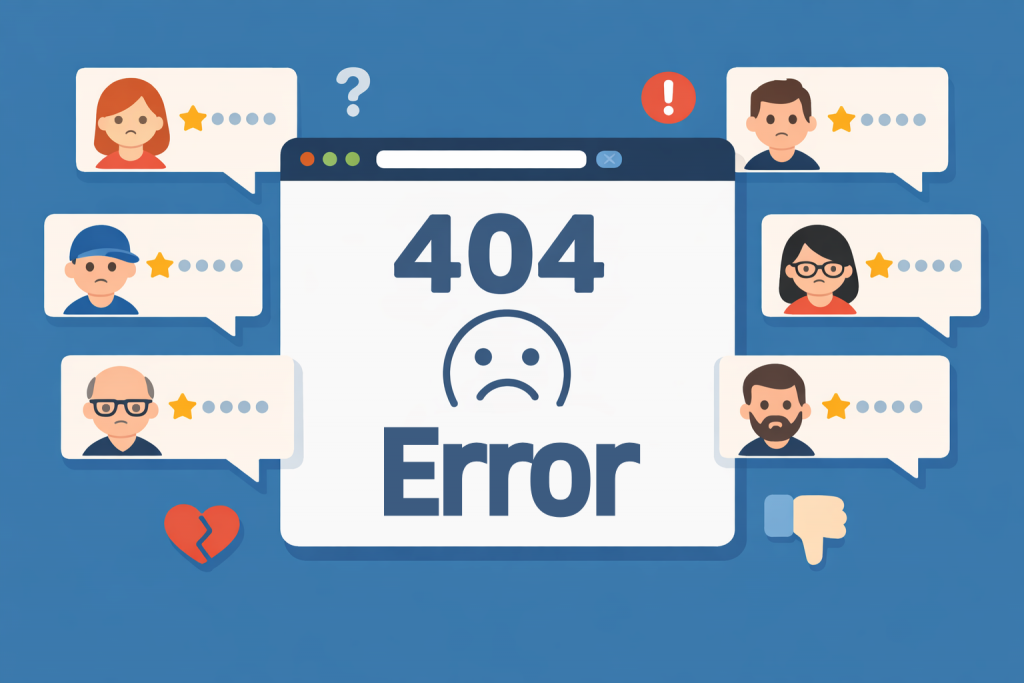
When a user visits a brand’s website, they do not yet know the product, have not read reviews, and have not compared prices. However, the first impression is already being formed. And very often it depends not on design or copy, but on technical details that operate in the background. Page loading speed, connection stability, correct operation of forms, absence of browser errors — all of this creates a sense of reliability or, on the contrary, causes concern. Low technical quality of a resource is almost always subconsciously perceived as low quality of the brand as a whole.
Slow Website Performance as a Warning Signal
One of the most common technical factors of distrust is slow page loading. When a website takes several seconds to open or “freezes,” the user develops a sense of instability. For a person without a technical background, this is not a question of servers or code optimization, but a simple question: if a brand cannot ensure proper website operation, can it be trusted with money or personal data? This is especially critical at the stages of authorization, checkout, or payment, where any delay looks like a potential risk.
Browser Errors and Lack of a Secure Connection
Browser warnings about an unsafe connection are among the strongest factors in loss of trust. When a user sees a warning about the absence of a secure connection, they may not know what an SSL certificate or data encryption is, but they clearly understand one thing: this is unsafe. An SSL certificate is a digital mechanism that encrypts data between the browser and the server so that third parties cannot intercept it. If it is missing or configured incorrectly, the brand appears outdated, careless, or indifferent to customer security.
The Domain as an Element of Trust, Not Just an Address
A domain name is not only a technical address of a website, but also part of the brand’s identity. Long, complex, or suspicious domains with random characters, unclear zones, or spelling errors raise doubts. Users are accustomed to trusting logical and readable domains that match the brand name. If a domain looks temporary or secondary, it can create the impression of a fake resource, even if the business itself is real. It is also worth mentioning situations where a brand uses different domains for the main website, email, and payment pages — such inconsistency is often perceived as an attempt at deception.
Technical Failures in Forms and Services
Contact, registration, or payment forms are points of direct interaction with the user. If a form does not submit, shows an error without explanation, or behaves unpredictably, trust collapses instantly. For the user, this looks like a lack of control over the brand’s own systems. Even minor bugs, such as clearing fields after an error or the absence of a confirmation message, create a sense of an unfinished product and reduce confidence in the brand.
Website Instability and Periodic Downtime
Regular interruptions in website operation, errors like “page unavailable” or “server not responding,” form a habit of not relying on the brand. Even if the product is high-quality, technical instability devalues all marketing efforts. For a broad audience, it looks simple: the site often does not work — therefore, the company is unreliable or has problems. This is especially damaging for services where constant availability is expected: online stores, customer service platforms, subscription-based services.
Outdated Technologies and Device Incompatibility
A website that does not work correctly on smartphones or in modern browsers is automatically perceived as outdated. The user does not analyze whether this is an issue of responsive design or legacy code, but draws a simple conclusion: the brand is not keeping up with the times. In a world where most traffic comes from mobile devices, technical incompatibility directly undermines trust and reputation.
Technical Details as Part of Brand Reputation
Low trust in a brand often begins not with the product or service, but with technical details that users perceive intuitively. The domain, secure connection, operational stability, speed, and predictability of the interface form a basic sense of safety. If this foundation is weak, no texts, discounts, or promises can fully compensate for the loss of trust. That is why technical infrastructure today is not merely a business support function, but a full-fledged part of the brand and its reputation.
Leave a Reply