
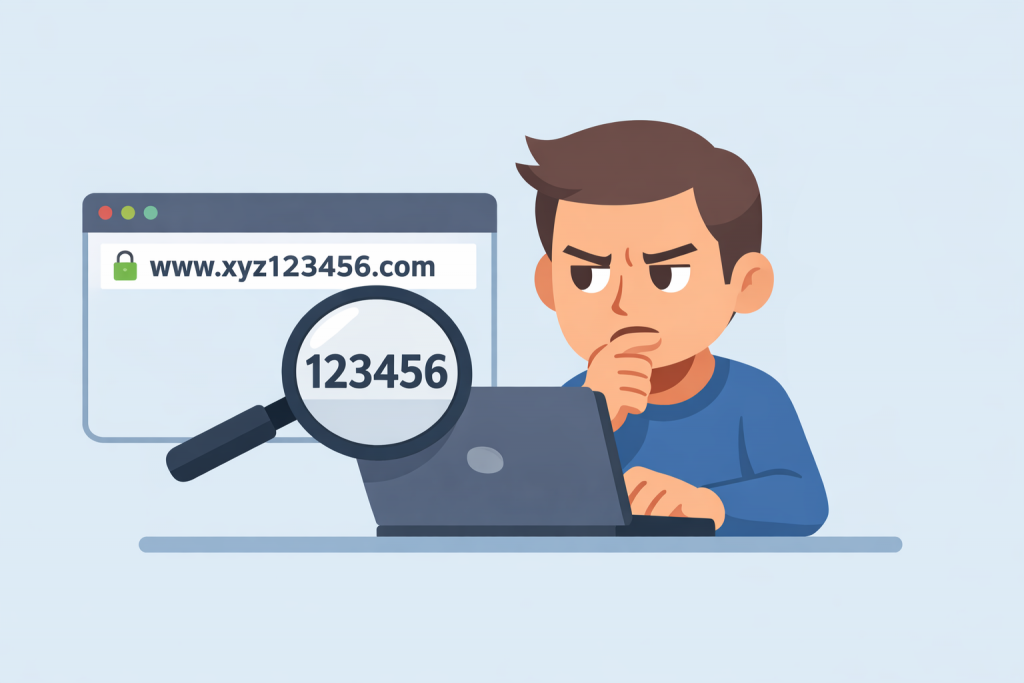
Choosing a domain name may seem like a simple step when launching a website, but in practice the domain creates the first impression of a project. A user sees the address before opening the site and already at this stage subconsciously decides whether the resource can be trusted. One of the most common reasons for a cautious reaction is the presence of numbers in the domain name. Even if the website works properly and the company is legitimate, a domain with numbers is often perceived as less reliable.
How Users Perceive a Domain Name
For most people, a domain is not a technical identifier but part of a brand. When an address consists of a clear word or a company name, it is easy to read, easy to remember, and looks logical. Numbers break this coherence. Users do not always understand why they are there and start looking for a hidden meaning. It often feels as if the main name was already taken and the numbers became a forced compromise rather than a deliberate choice.
Associations with Temporary or Questionable Projects
Historically, domains with numbers have been widely used for mass or short-term websites. These could be advertising pages, copies of well-known resources, or projects created “in a hurry.” Because of this, a connection between numbers in a domain and a lack of stability has formed in users’ minds. Even if a specific website has nothing to do with such practices, the first impression may still be negative.
Confusion When Remembering the Address
Numbers make a domain harder to perceive both by ear and in writing. A person may not remember whether it is “2” or “two,” one digit or several, or whether it is placed at the beginning, in the middle, or at the end of the address. As a result, users either make mistakes when entering the domain or do not return to the site at all. For a business, this means fewer repeat visits and weaker brand recognition.
Suspicion of Imitation or Masking
In some cases, numbers are perceived as a way to imitate a well-known name. For example, a “0” may be used instead of the letter “o,” or an extra digit may be added to make the domain look similar to a popular website. Even if this was not the intention, users may interpret such an address as an attempt to deceive them. This is especially critical for websites where personal data, passwords, or payment information must be entered.
Impact on Trust in Commercial and Financial Niches
The higher the level of responsibility of a website, the more important trust becomes. Online stores, payment services, banking, and legal resources must appear as transparent as possible. A domain with numbers in these niches often raises doubts about the seriousness of the company. Users may fear fraud or question whether the site is official rather than a copy.
Why Numbers Are Not Always Appropriate Even for Technical Projects
There is a common belief that numbers in domains are acceptable for IT projects or startups. However, even in this field they do not always benefit the brand. If a number has no clear meaning related to the product or idea, it looks unnecessary. Users have to spend extra effort trying to understand the name, which reduces the overall attractiveness of the resource.
When Numbers Can Be Justified
Sometimes numbers in a domain have a clear and logical explanation. This may be the year the company was founded, a product model, or a well-established abbreviation already recognized by the audience. In such cases, the number becomes part of the brand’s identity rather than a random element. Even then, it is important to consider how the domain will look to someone seeing it for the first time.
Why a Simple Name Without Numbers Wins in the Long Term
A domain without numbers is perceived as more serious, clear, and trustworthy. It is easier to remember, looks better in advertising, and does not raise unnecessary questions. For a brand that plans to grow, invest in marketing, and build long-term trust with its audience, this is critically important. That is why when choosing a domain name, it is worth considering not only availability but also the impression it makes on users at first glance.
Leave a Reply