What is uptime and how does a 99% guarantee affect your website Introduction

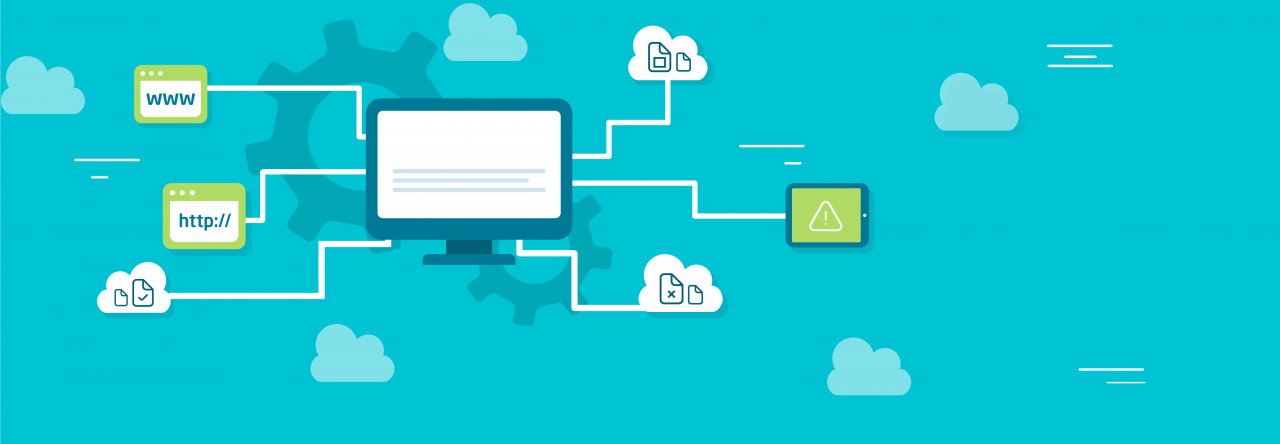
Screen with the words "UPTIME", next to a clock, the number 99% and a green check mark.
How uptime affects the stability of the site

In the online world, “availability” is not an abstract metric but a hard dashboard of profit and reputation. Uptime shows what percentage of the time a site or service actually worked and was available to visitors. The closer to 100%, the less often customers encounter errors, carts don’t “fall over,” payment pages open quickly, and support isn’t on fire every evening. When you see “99%” in a provider’s offer, it sounds impressive; however, in reality it means almost 7 hours of downtime per month — and the business impact of those hours can be noticeable even for small projects.

How to Choose Between VPS, Hosting, and Colocation — A Simple Guide

A pyramid with three levels: Shared Hosting at the bottom, VPS in the middle, and Colocation at the top.
A simple explanation of the differences between hosting, VPS, and colocation

Choosing the right type of website or IT infrastructure hosting directly affects your project’s performance, stability, and security. There are many options on the market, but the three most popular solutions are shared hosting, VPS, and colocation. Each has its own features, advantages, and limitations.

In this article, we will explain how they differ, how to choose the best option for your needs, and what nuances to consider when switching from one solution to another.

What Are IDN Domains and How to Use Them

Glowing inscription "приклад.укр" among symbols of different languages, breaking through the wall of Latin letters.
Using IDN domains for sites in native languages

The internet is evolving toward greater accessibility and convenience for all users, regardless of language or country. One important step in this direction was the introduction of IDN domains (Internationalized Domain Names) — domain names that can contain letters from national alphabets, not just Latin characters.

Let’s Encrypt vs Paid SSL Certificates. Advantages, Disadvantages, and When to Pay

Scales with two padlocks: on the left turquoise without inscription, on the right gold with the inscription "PAID SSL".
Comparison of free and paid SSL certificates

In today’s digital world, protecting user data has become not just good practice, but a mandatory requirement for any website. Search engines and browsers are increasingly strict with resources that lack a secure connection, marking them as unsafe. An SSL certificate provides this protection, and today website owners can choose between free solutions like Let’s Encrypt and commercial (paid) certificates from reputable certification authorities.

Post‑Quantum SSL – Is Your Website Ready for Quantum Threats?

A blue lock cracking under the impact of a bright purple beam, symbolizing new cyber threats.
Will modern SSL certificates withstand the challenges of the quantum computing era?

The revolution in quantum computing is approaching faster than many expected. Every year brings new breakthroughs in the development of quantum processors, and the question arises more and more often: Is modern cryptography ready for the quantum future? Today’s SSL certificates, which ensure traffic protection and confidentiality, may become vulnerable within the next decade.

How to Choose a Domain for a Multilingual Website Without Losing SEO

Globe with flags of different domain zones (.com, .ua, .de, .pl, .uk, .eu) and browser windows with language designations EN, UA, PL, DE.
Choosing the right domain zone for a multilingual site and its impact on SEO

Launching a multilingual website is a key step for any business expanding into international markets. But along with translating content and adapting the interface, an important question arises: how do you choose the right domain name for different language versions without harming your SEO?

In this article, we’ll review the main approaches to domains for multilingual websites, discuss their pros and cons, and provide practical tips on working with .ua, .com, .eu domains and subdomains.

Alternative DNS Systems – ENS, Handshake, and Other Non‑ICANN Solutions

Three superheroes in suits with .ETH, gears, and a wrench symbolizing alternative DNS systems, against a server with ICANN written on it.
ENS, Handshake, and other systems challenging traditional domain management

In today’s Internet, the domain name system is centrally managed by ICANN. But with the development of Web3, alternative approaches to domain management are emerging — decentralized DNS systems that operate independently of the traditional infrastructure. Among the best-known are ENS, Handshake, Unstoppable Domains, and others. They open up new possibilities for users, entrepreneurs, and developers seeking greater autonomy and security in the digital environment.

Edge Hosting. How to Place a Server Closer to Users to Reduce Latency

A lighthouse in the sea emits rays of light that illuminate the icons of online services: video, chat, shopping and others.
Placing servers closer to users to minimize delays

In an era when website loading speed directly affects conversions, SEO rankings, and user loyalty, the question of where the server is physically located becomes critically important. One solution that can significantly reduce latency and improve stability is Edge Hosting — placing servers as close as possible to end users.

Cloud Technologies and VPS Management via the RX‑NAME SUО Panel

Compass with RX-NAME in the center, surrounded by server, gear, SSL lock, graph, and globe icons.
A modern approach to working with VPS and online services

In recent years, cloud technologies have become the foundation for most modern IT services. For businesses and developers, this means not only high-speed access to resources but also the convenience of managing them from anywhere in the world. One of the key tools that enables efficient work with virtual servers is the RX‑NAME SUО Panel — a proprietary VPS management system designed for maximum convenience and functionality.

Futuristic Domain Zones. NFT Domain Real Estate in Web3

A man holds a digital ID card with the inscription "john.eth" in front of a bright portal with logos of cryptocurrencies and blockchain networks.
NFT domains as the new digital real estate in Web3

The internet is evolving rapidly. What we know as Web2 — with traditional websites, hosting, and domain names — is gradually transforming into Web3: a decentralized digital reality where users own their data, identity, and digital assets. One of the most striking developments in this transformation is the rise of NFT domains — unique names that function both as web addresses and cryptographic assets.

Page 9 of 38