A website is often needed before there is a budget for a designer, developer, and technical support. There is a service, a course, a portfolio, a small store, or an idea that needs to be shown to people quickly. In this situation, you do not have to launch a large project right away. At first, a working version is enough: a page where it is clear what you offer, who needs it, and how to contact you.
A website address can have more nuances than it seems
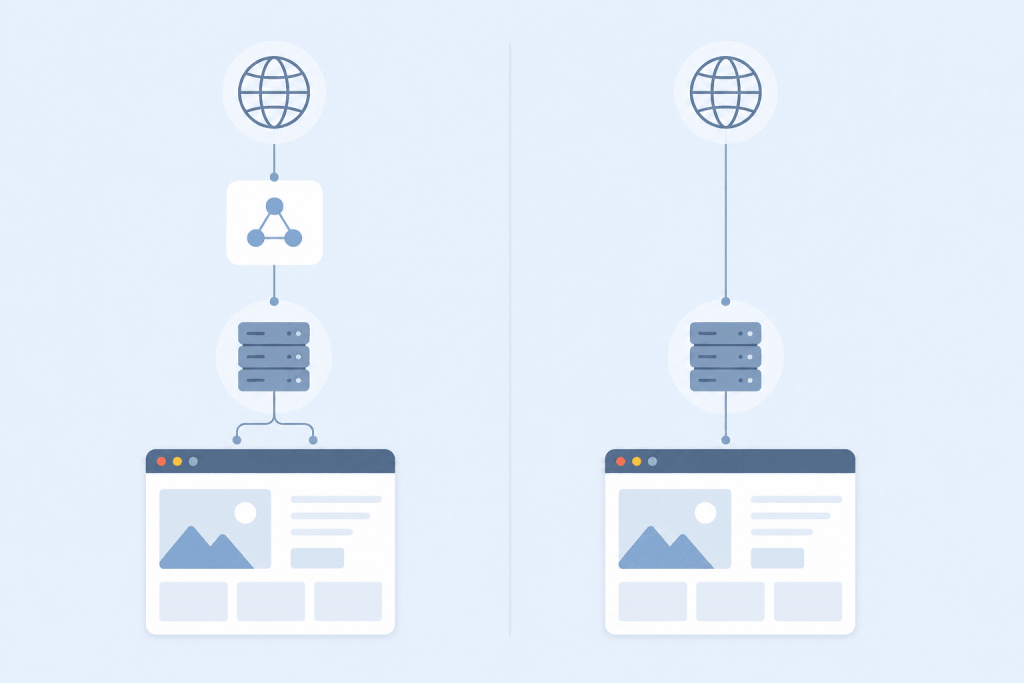
When you see two almost identical addresses in the browser bar – one with www at the beginning and the other without it – it feels like they are just cosmetic variations. In practice, that is usually how it works, but from a technical point of view, these are not the same entities at all.
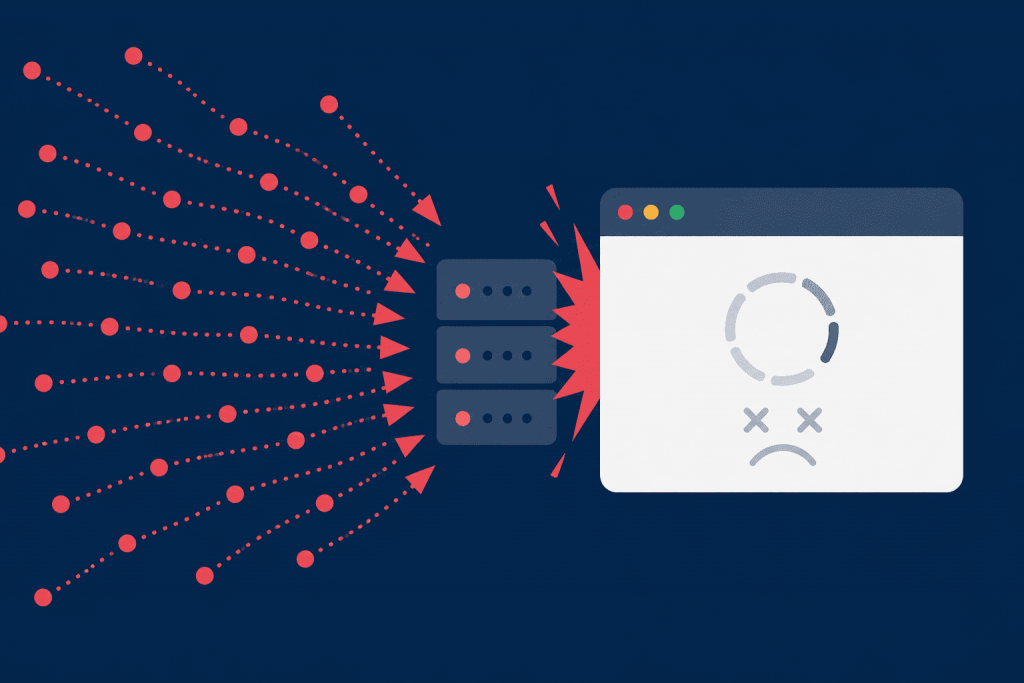
Sometimes a website starts behaving as if it is under a heavy DDoS attack: pages open slowly, the API responds with delays, 502 or 503 errors appear in the logs, and web server processes suddenly start consuming much more memory. But at the same time, there is no huge stream of requests, the channel is not saturated, and the load may come from a small number of connections. This is how HTTP/2 Bomb works. It is a DoS attack on HTTP/2 – the protocol through which a website or application exchanges data with the server. The attacker sends a relatively small amount of data but forces the server to spend much more memory processing it. As a result, the web server or proxy may freeze, start using disk instead of RAM, restart processes, or stop serving regular users properly.
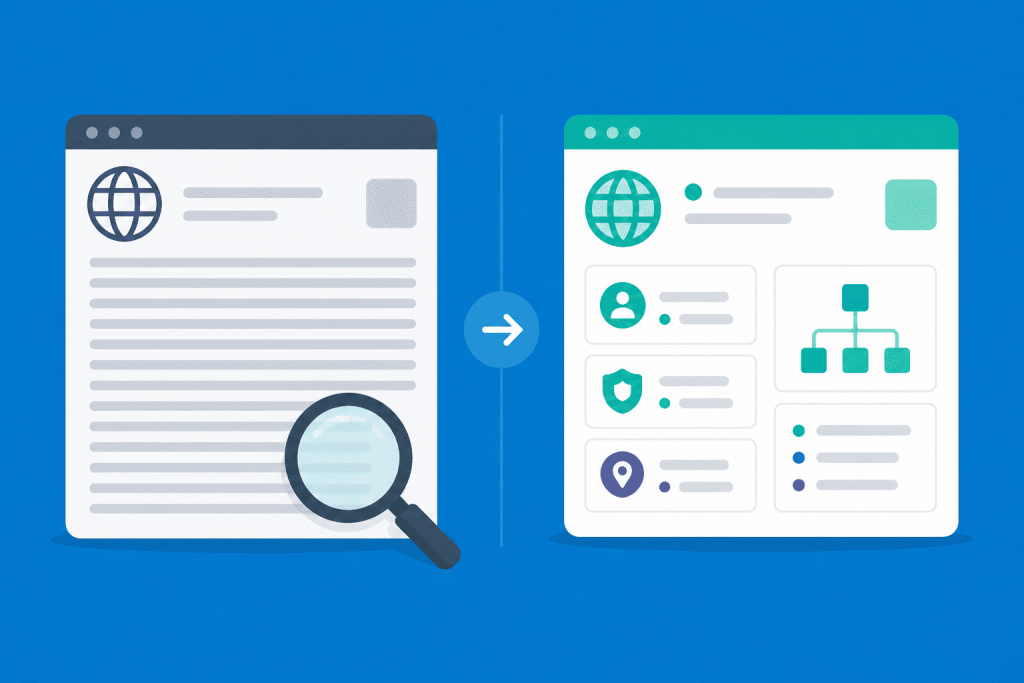
There are situations when a simple check of whether a domain is “available or not” is not enough. For example, a website suddenly goes down after a DNS change, a domain refuses to transfer to another registrar, the delegation period is coming to an end, or you urgently need to find out who actually services this name. Usually, in such cases, people open Whois, expecting to see the basics: the creation date, registrar, DNS servers and current statuses, but Whois often disappoints. The data is displayed chaotically, the format depends on the specific domain zone, and some information is hidden altogether. As a result, the output turns into a solid block of technical text, where a user without experience may struggle to quickly find the needed line. And for automation services, this lack of standards has long become a headache.