
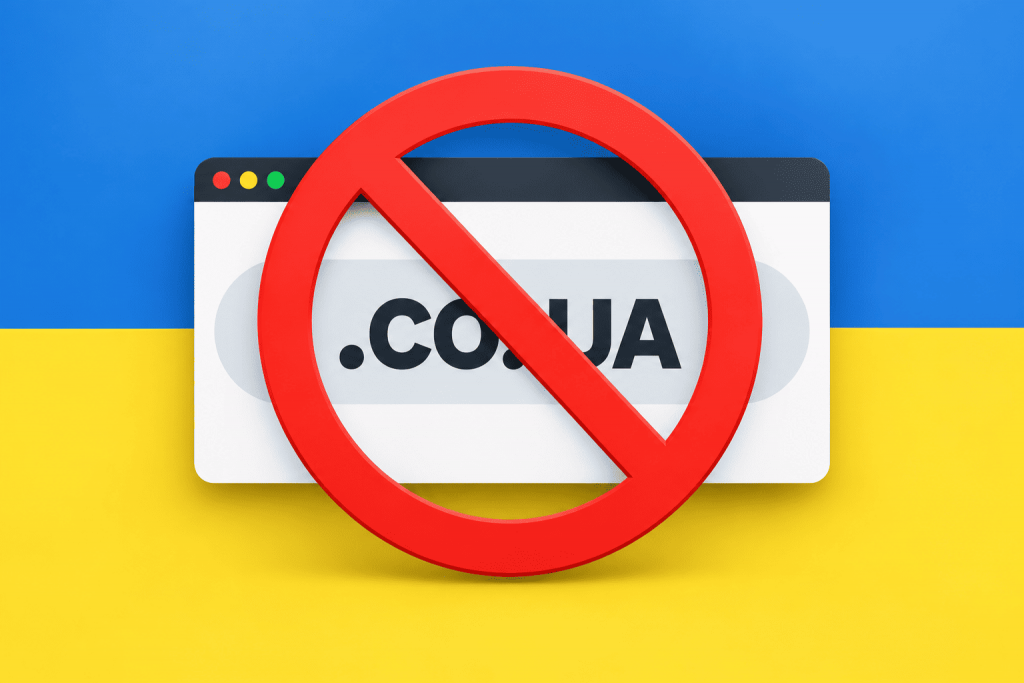
On September 24, 2026, the NCU issued Order No. 736/4531 restricting access to a number of web resources, including the entire .CO.UA domain zone.

On September 24, 2026, the NCU issued Order No. 736/4531 restricting access to a number of web resources, including the entire .CO.UA domain zone.

When a user sees the address of a government authority in the browser bar, the level of expectations automatically increases. This is not just a link, but a marker of official status and verified data. Behind this perception is not psychology, but a very specific logic of administration and strict filters at the registration stage.

Domains are often treated as if they were a simple purchase. A name is found, its availability is checked, the registration is paid for – and the matter seems closed. In reality, things are a bit more complicated. A domain does not exist outside the rules: every domain zone has its own system of requirements, and registrars and zone administrators only enforce these rules.
The .de domain zone is one of the oldest and most popular national zones in the world, as it represents Germany in the global internet space. It is characterised by high user trust, strict technical requirements and specific legal rules established to ensure transparency, security and responsibility of domain owners. For this reason, many foreign companies and private individuals pay attention to .de domains, but do not always understand which norms regulate their use. To avoid mistakes and potential risks, it is important to understand the requirements imposed by German law and the domain zone administrator DENIC, and why these rules are mandatory even for registrants who do not reside in Germany.

A domain can be handed over in several different ways, and the right one depends on what actually needs to change. If the domain stays with the same registrar, you may only need to change the registrant or move the domain between accounts. If the new user wants the domain managed by another registrar, that is an inter-registrar transfer. These are separate procedures, so check the rules of the domain zone before you start.