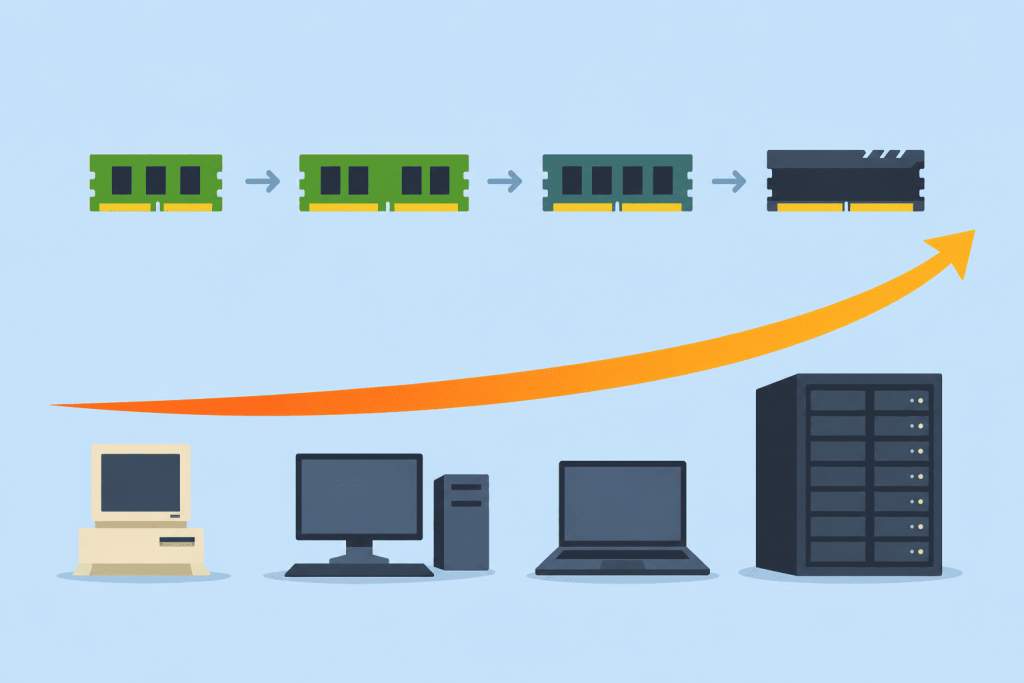
In conversations about hardware, the focus is usually shifted toward the processor. That is logical, but in practice performance depends not so much on raw computing power as on whether the system can keep “feeding” that processor with data fast enough. When RAM cannot keep up, an expensive multi-core chip simply sits idle waiting for the next portion of information.
Guaranteed VPS resources provide stable and predictable performance
When users choose a VPS, they often imagine a simple scenario: if the plan lists 2 CPU cores, 4 GB of RAM, and a certain amount of disk space, then these resources always and fully belong only to them. However, virtualization works much more intricately. A VPS is not a physical server but a virtual instance created by a hypervisor. A hypervisor is a special system that distributes hardware resources among multiple virtual machines running simultaneously. This allows the physical server’s capacity to be used efficiently, but it also introduces nuances into the concept of “guaranteed” resources. To understand how everything works in reality, it’s important to explore reservation mechanisms, prioritization, and the behavior of real workloads inside the infrastructure.
VPS performance is determined by the balance of hardware resources and proper environment setup
A virtual private server (VPS) is like a personal computer in the cloud that operates on a shared physical server but has its own dedicated resources: processor, memory, storage, and operating system. The way these resources are configured, distributed, and utilized directly affects how fast and stable your website or application will run. Let’s take a closer look at what influences VPS performance and what each key component means.