
Category: Other Page 2 of 7

How Major Technology Companies Turn Artificial Intelligence into a Mass Product

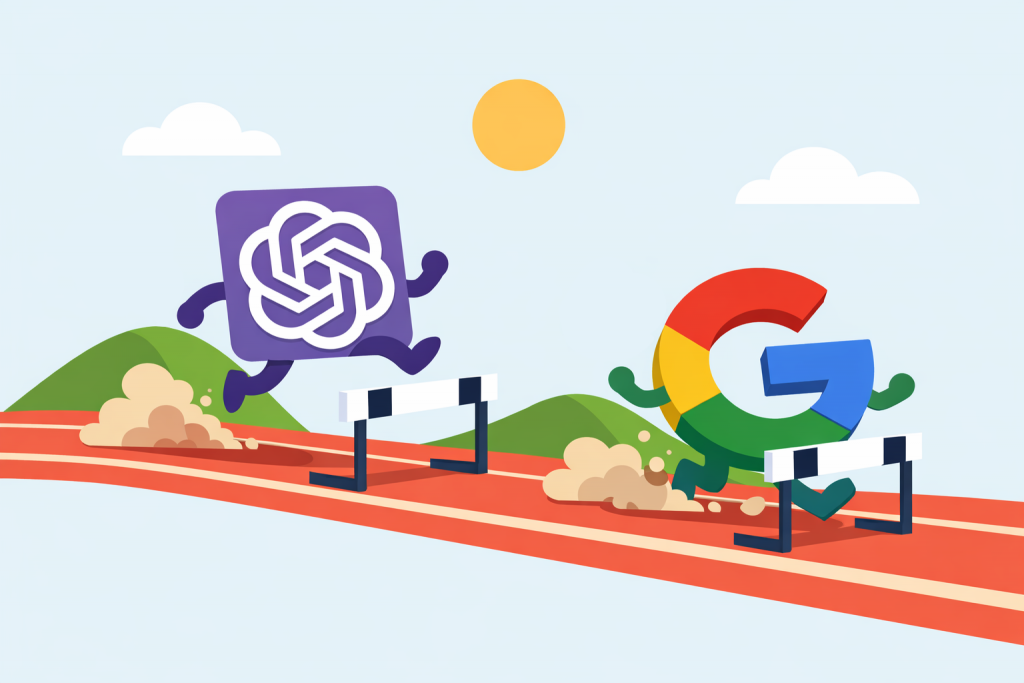
OpenAI and Google logos in the form of characters running along an obstacle course, overcoming barriers on the way, against a backdrop of hills and sky.
Competition and scaling as driving forces for the development of artificial intelligence

Just a few years ago, artificial intelligence was perceived as an experimental technology available mainly to large corporations, research laboratories, or a narrow circle of developers. AI was associated with research, complex algorithms, and distant prospects. Today, the situation has changed dramatically. Artificial intelligence has become a mass product used daily by millions of people around the world, often without even thinking about it. This shift was not accidental — it is the result of a long-term strategy pursued by the largest technology companies.

Will Artificial Intelligence Become an Extension of Human Consciousness

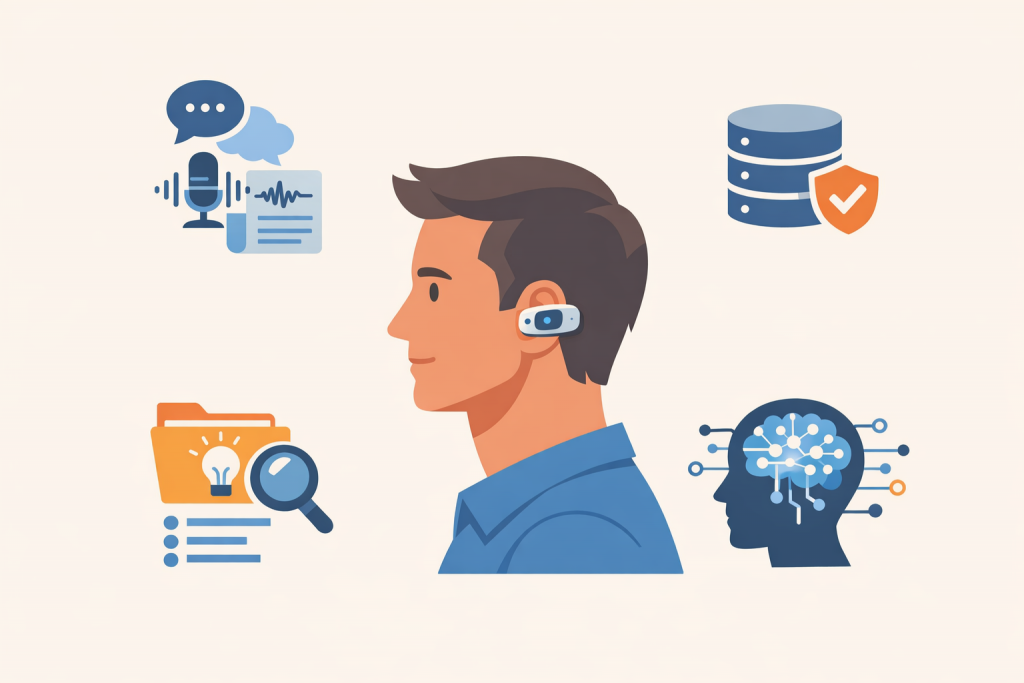
A person with an AI ear clip that records conversations and thoughts expressed out loud, stores them in a personal database, and allows you to quickly find the information you need using artificial intelligence.
Artificial intelligence as a tool for expanding the capabilities of human thinking

At CES 2026, SwitchBot unveiled a device that many have already called a “second brain.” The small AI clip called MindClip, which attaches to the ear, is capable of recording conversations and spoken thoughts, storing them in a personal database, and allowing quick retrieval of the needed information using artificial intelligence. Essentially, it is an external memory for a person that is always close at hand. This news sparked not only interest, but also a very logical question: are we moving toward a moment when artificial intelligence becomes an extension of human consciousness?

Artificial Intelligence Could Become Time’s Person of the Year in 2025

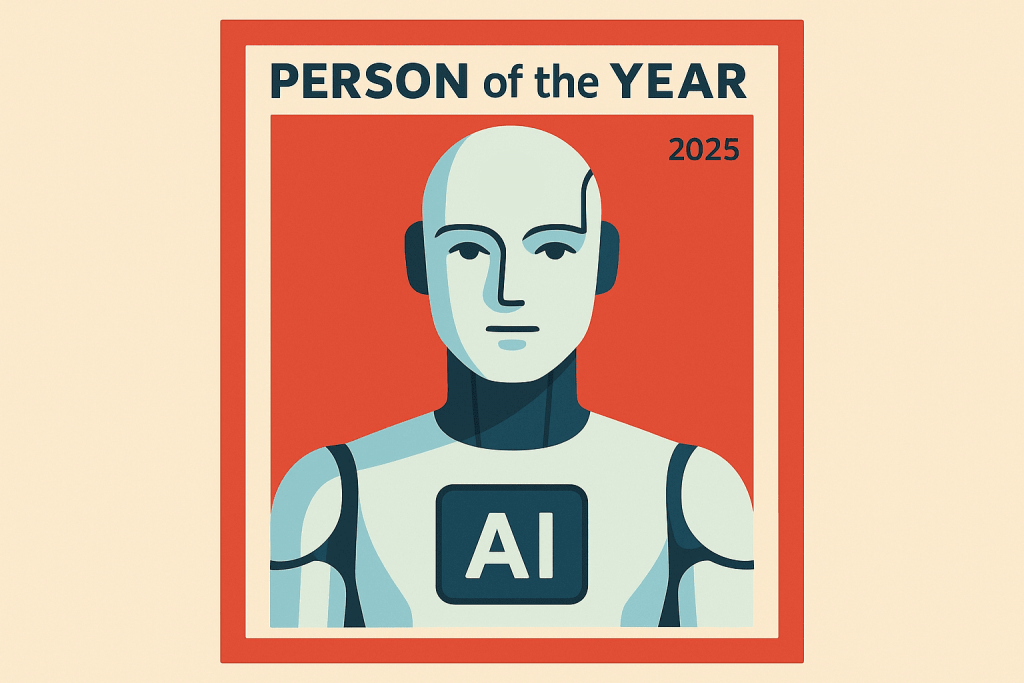
A poster with a robotic character featuring the AI ​​logo, in the context of artificial intelligence possibly being elected Person of the Year.
Will artificial intelligence become the most influential person in 2025?

Every year, TIME magazine selects the “Person of the Year” — an individual, group of people, or phenomenon that has had the greatest impact on the world. This prestigious title is awarded to those whose achievements or influence radically change the world. While the official decision has not yet been made, experts’ predictions and betting platforms are already forming an interesting picture. In 2025, the leading contender for this title, according to forecasters, is… artificial intelligence.

Why Building a PC Will Become More Expensive in the Coming Years

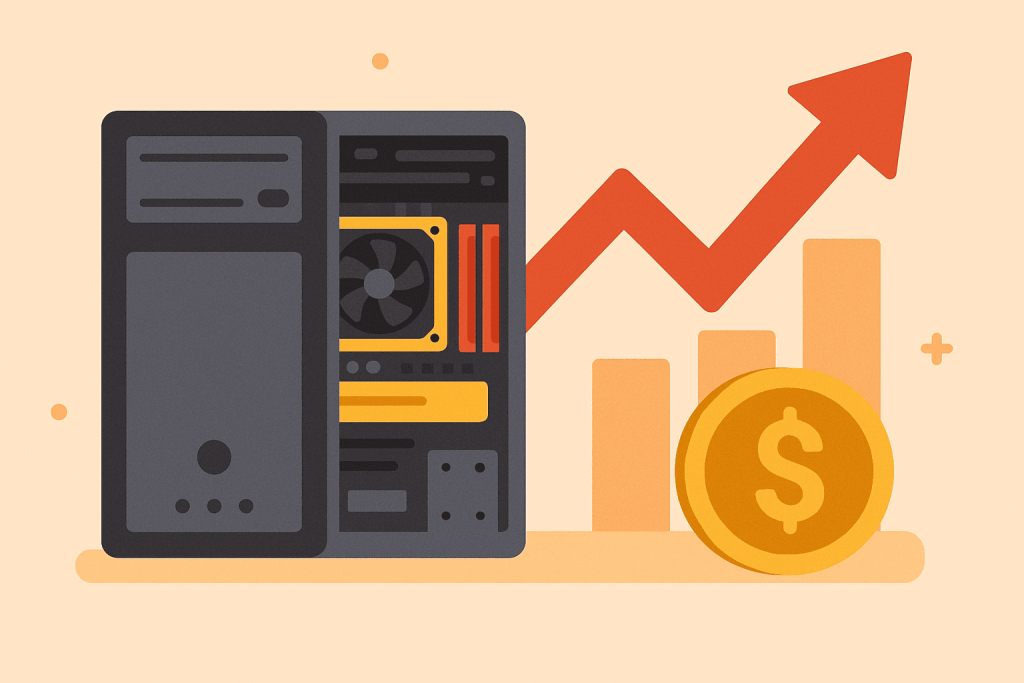
A desktop PC against a background of a growth graph and coins, symbolizing the rise in the price of computer components.
The cost of components is rising faster than the market can adapt

In the coming years, building a personal computer may become significantly more expensive than we are used to. The reason is a global shift of production capacity toward artificial intelligence. Major companies that previously supplied the market with RAM, storage devices, and GPU chips are now redirecting their manufacturing to meet the needs of data centers and AI models. All this creates a shortage of components and leads to rising prices.

How the Mass Adoption of Humanoid Robots Is Restarting the Industry

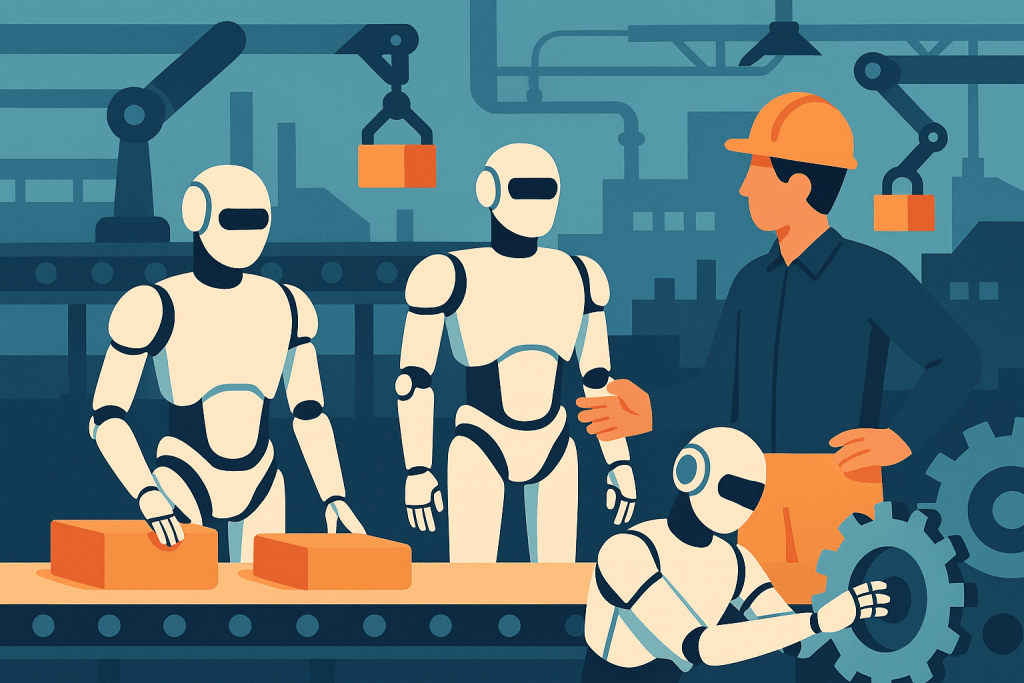
Humanoid robots work alongside an engineer on a production line, performing assembly and technical operations.
A new stage of automation in industry

The world has just crossed a historic threshold: for the first time in industrial history, there has been a mass shipment of humanoid robots. UBTECH has announced the completion of its first major commercial delivery of the Walker S2 model — hundreds of robots have already been delivered to customers, and the total volume of contracts for 2025 has exceeded 800 million yuan, which is about 113 million dollars. The robots have been ordered by major manufacturing corporations, logistics operators, and even data centers, and in the coming months the company plans to ramp up to serial production of thousands of units every month. This is the first time in the world that humanoid robots are leaving research labs for real industrial processes — and that is why this news is already being called the beginning of a new era of automation.

When Artificial Intelligence Affects Us More Than We Think

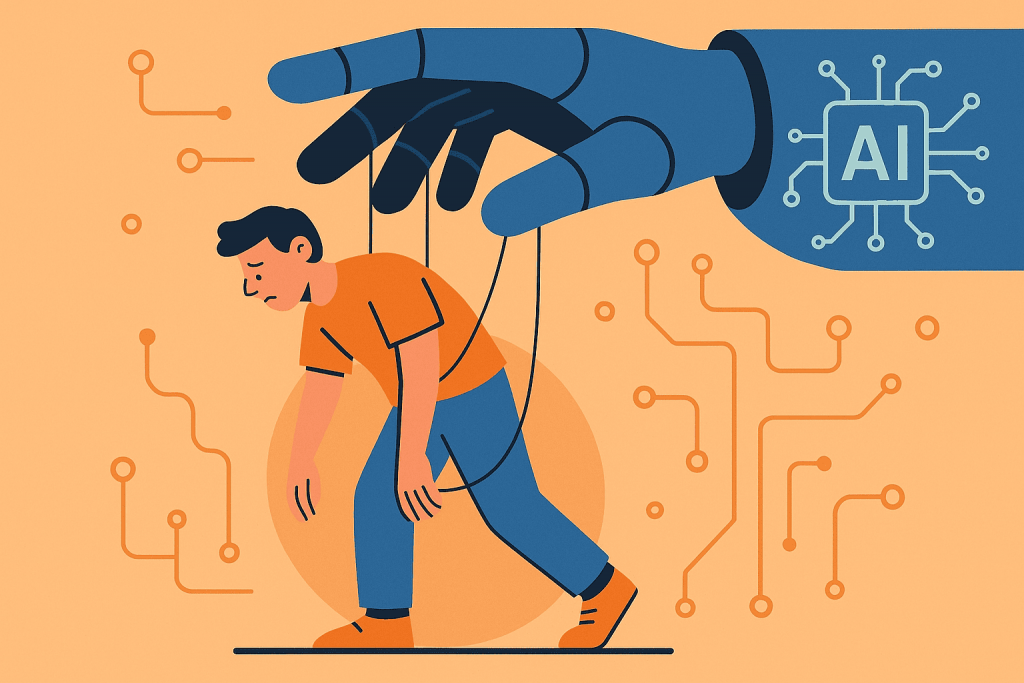
A large mechanical hand with the words "AI" written on it controls a person like a puppet.
The impact of artificial intelligence on human behavior and decisions

Just a few years ago, artificial intelligence seemed like an incredible achievement of humanity — a technology meant to make life easier. But now, as it has become a common element of our reality, a question arises more and more often: are we paying too high a price for this comfort? AI not only helps us — it changes our psyche, our perception of the world, and even the way we think. And these changes happen quietly, gradually, yet inevitably.

Why the Emergence of Cheaper AI Models Could Change the Artificial Intelligence Market

A silhouette of a head with a conventional brain-microchip, the price of the service, and growth graphs symbolizing the cheapening of AI technologies and their scaling.
More affordable AI models open the market to a wider range of companies

Artificial intelligence is undergoing another stage of evolution — and this time, the changes may be even more significant than during the emergence of GPT models or the mass adoption of chatbots. The Chinese company Kimi has introduced the Kimi K2 model, which, according to the developers, not only approaches the performance of the most powerful systems on the market but also offers a much lower cost of use. In some tests, K2 outperforms GPT-5 and Claude Sonnet 4.5, while demonstrating efficiency in complex multilingual tasks, agent-based programming, and processing large volumes of information. The most interesting part is that this model may be several times cheaper than its counterparts — and therefore has the potential to influence the entire market’s economy.

AI Agents as a New Level of Corporate Process Automation

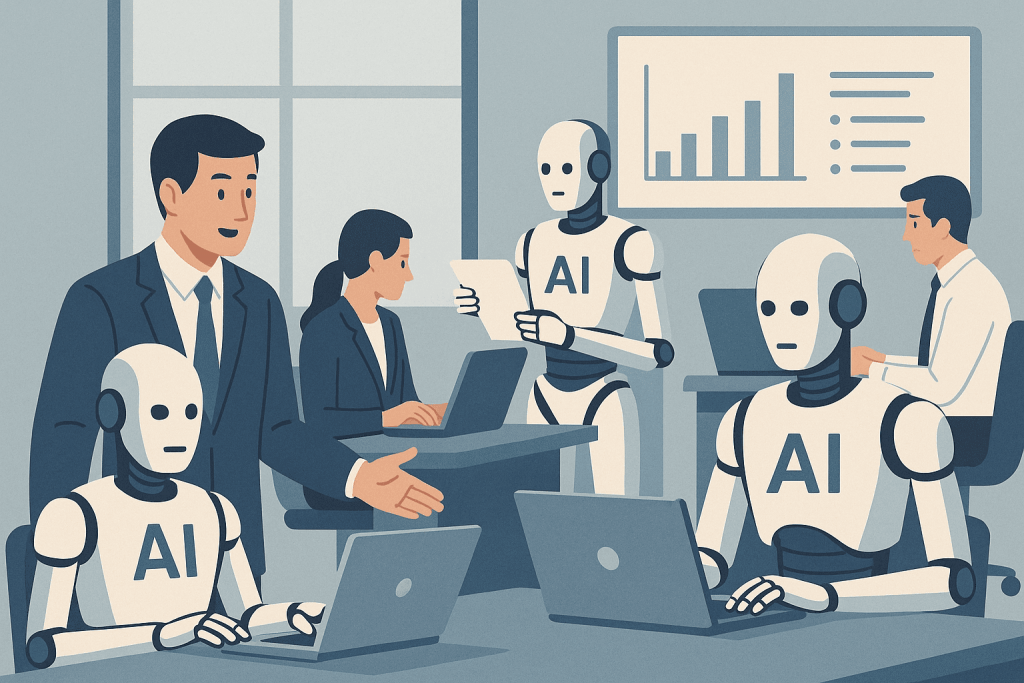
People work together with AI-branded robot assistants in an office environment, collaboratively completing tasks.
AI agents are gradually taking over some of the operational work, freeing up time for strategic decisions

Recently, Microsoft introduced a new concept of AI agents that can act not just as assistants, but as independent participants in the workflow. Within these tools, it is now possible to create artificial “digital units” that understand the context of a task, initiate actions, communicate with other systems, and even coordinate the work of individual employees. This is not just another software update. It signals that artificial intelligence is transitioning to a new stage of development, where it stops being a passive tool and becomes an active agent in the business environment. For the automation market, this may mean a fundamental shift in the principles of work organization.

QR Menus: The Technology That Changed the Culture of Dining Out

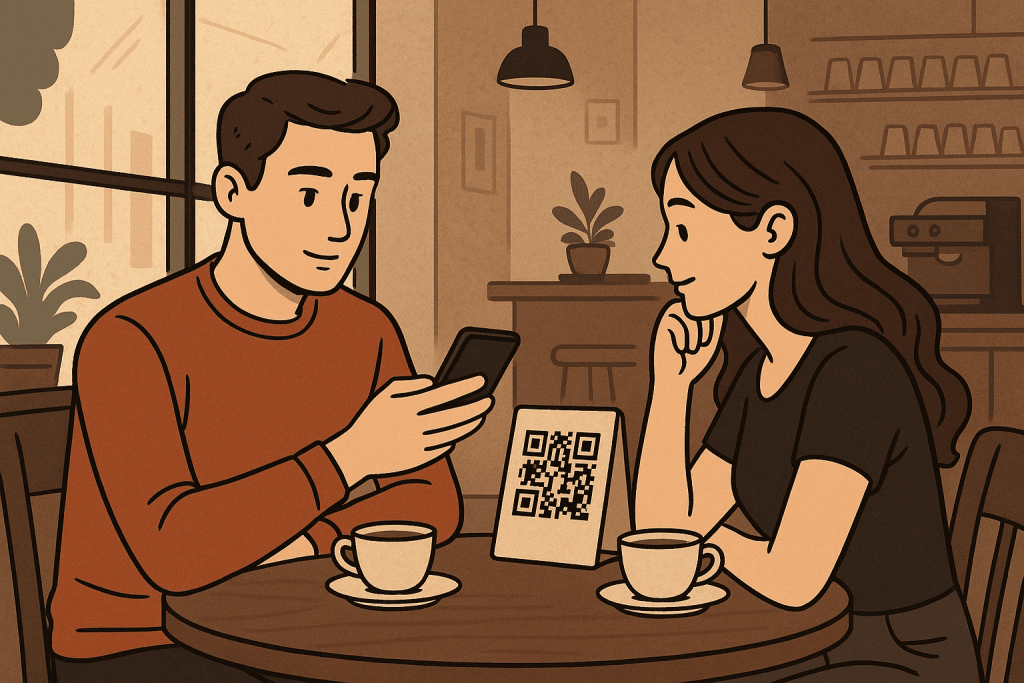
A man and a woman are sitting in a cafe, looking at their phones and scanning a QR code on the table.
QR menu in a cafe – a modern alternative to paper menus

Just a few years ago, opening a menu at a café meant flipping through laminated pages, touching them after dozens of people, and waiting for the waiter to bring one to your table. Today, you’re more likely to find a small square code. Simply point your smartphone camera — and the menu instantly appears on your screen. The QR menu has become not just a convenience but a true symbol of digital evolution in hospitality, reshaping both business processes and the way guests interact with restaurants.

How lemons became a test for monobank’s servers

A server surrounded by a bunch of lemons with an error message hanging above it.
Monobank Lemon Case and Server Endurance Testing

In October 2025, Ukrainian fintech once again proved its ability to create nationwide events — even when it comes to ordinary lemons. Monobank announced a campaign to celebrate reaching 10 million customers and launched an in-app game: users had to find virtual lemons hidden across different sections. Find 10 — enter the draw for an iPhone 17; collect all 50 — get a chance to win ₴1 000 000. The biggest mystery was the “51st lemon” — a secret bonus that, according to the bank’s team, unlocked access to the main prize — a BMW 3 Series.

Page 2 of 7