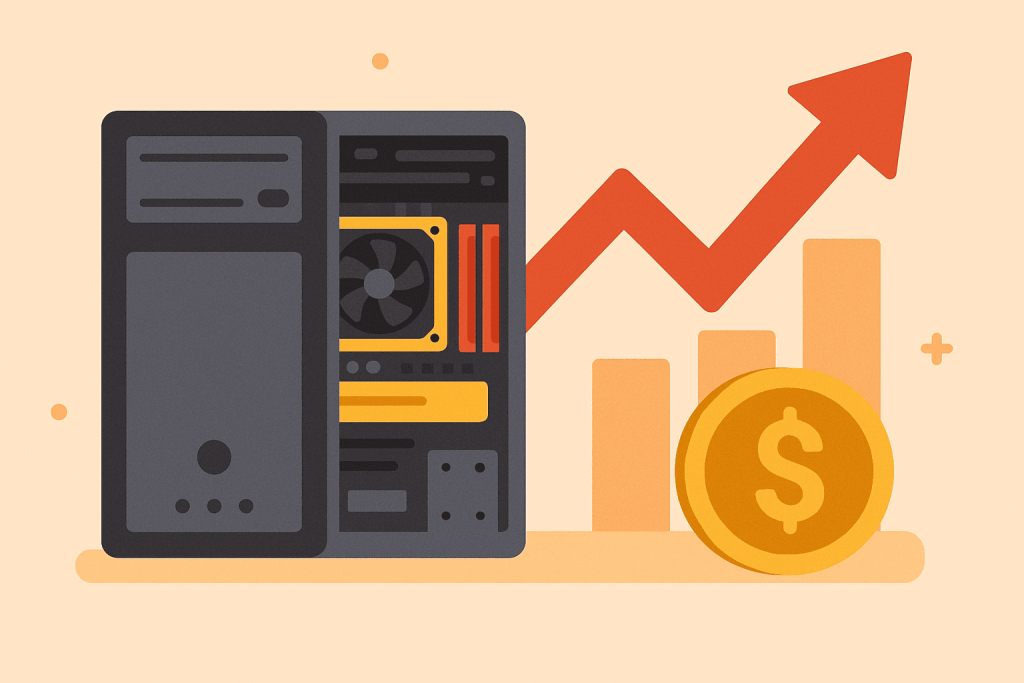
The cost of components is rising faster than the market can adapt
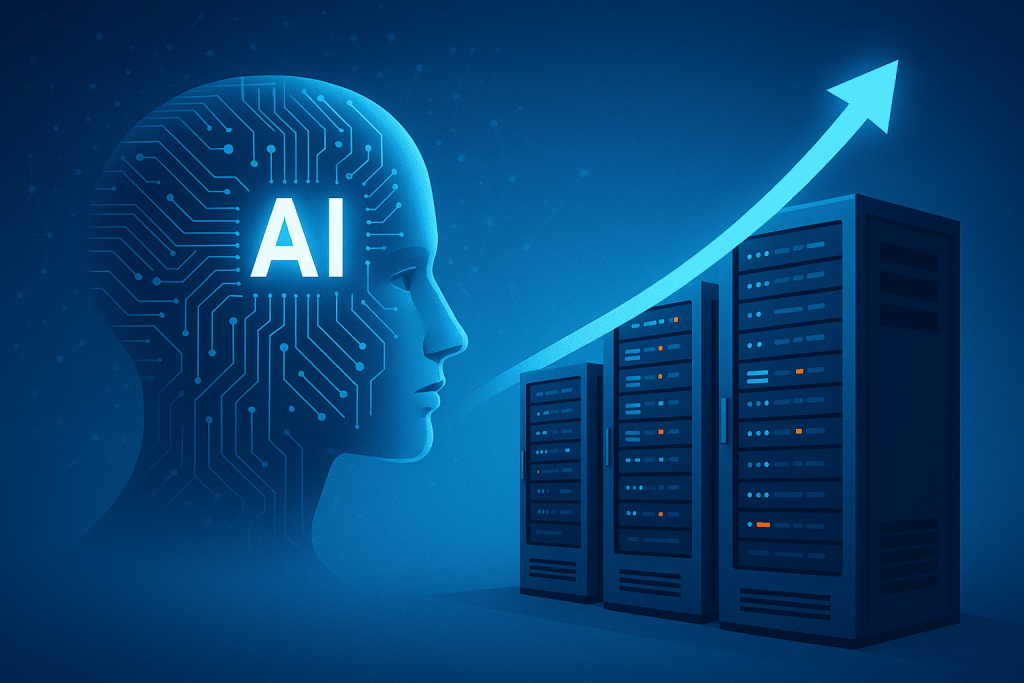
In the coming years, building a personal computer may become significantly more expensive than we are used to. The reason is a global shift of production capacity toward artificial intelligence. Major companies that previously supplied the market with RAM, storage devices, and GPU chips are now redirecting their manufacturing to meet the needs of data centers and AI models. All this creates a shortage of components and leads to rising prices.
How to quickly transfer files between your phone and laptop using convenient services
In today’s digital environment, sharing files between a smartphone and a laptop has become a routine part of everyday work. Photos for publications, documents, videos for editing, screenshots from messengers — all of this must be transferred quickly from one device to another. While people once used cables or flash drives for this, now there is a wide range of far more convenient tools. To help users navigate these options, it’s important to understand which solutions are the easiest to use, how they work, and in which situations they perform best.
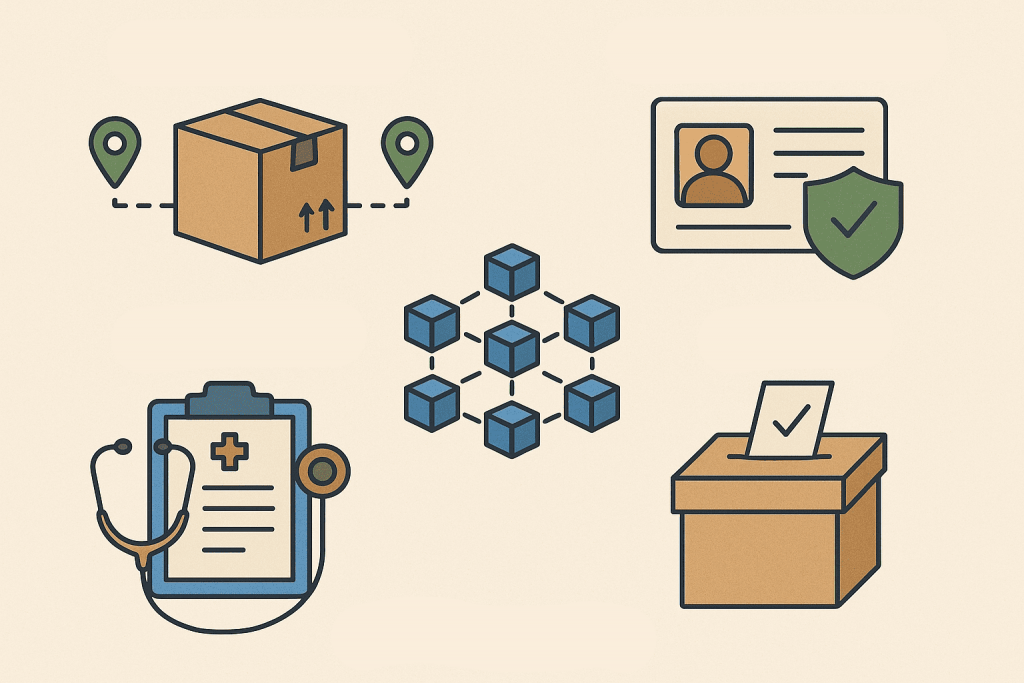
When most people hear the word “blockchain,” they immediately think of Bitcoin and other cryptocurrencies. However, the history of this technology is much broader. Blockchain is a special method of storing information as a chain of blocks, where each block contains data and is linked to the previous one through a complex mathematical code. This makes the system transparent, protected from alterations and fraud. It is important to understand that blockchain itself is not a currency but a tool for reliably storing and transferring information.
Growing hosting load due to businesses and users transitioning to remote work
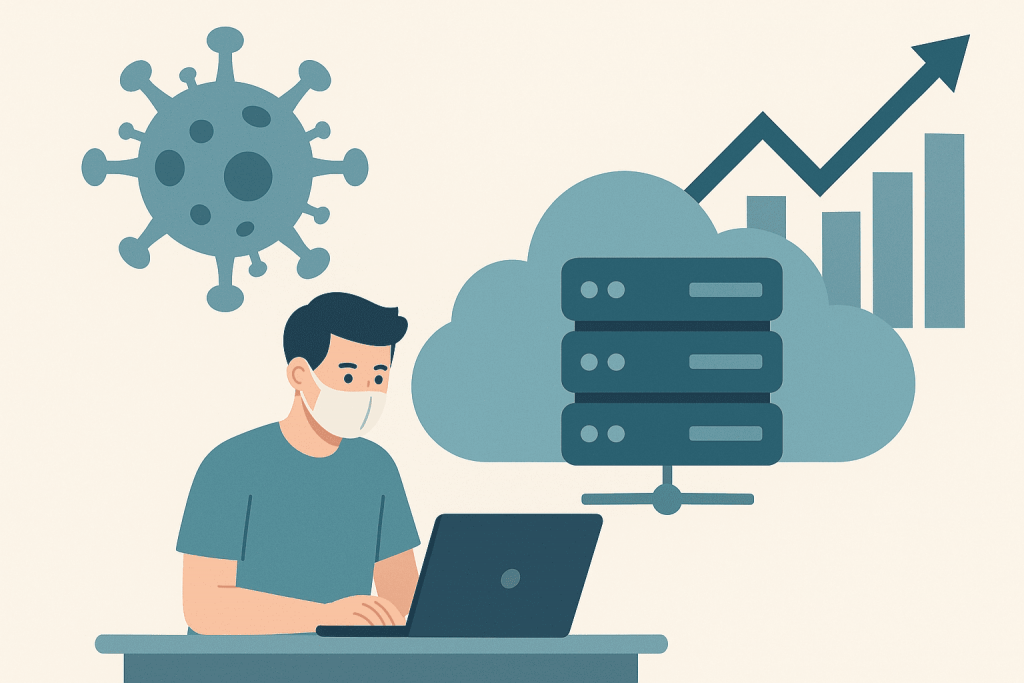
The COVID-19 pandemic became one of the most significant events of the 21st century, transforming everyday life, business processes, and approaches to digital technologies. One of its key consequences was the rapid shift to remote work, online communication, and digital services. These changes directly affected internet infrastructure, particularly the demand for hosting. Companies, entrepreneurs, and independent specialists faced the need to quickly adapt to a new reality, and reliable hosting became a necessary foundation for business operation and development in times of global uncertainty.
The human factor still poses the greatest threats to business
In the modern digital environment, companies invest in the latest security systems, advanced network filters, multi-level authentication and other cybersecurity tools. However, despite the high level of technological development, it is the human factor that continues to remain the biggest vulnerability. The human factor includes actions, mistakes or negligence of employees that may accidentally or intentionally create risks for a company’s information security. And while software and hardware tools can be updated, configured or strengthened, human behavior is much more difficult to change, which is why this aspect requires special attention.
Protecting DNS records is just as important as securing the site itself.
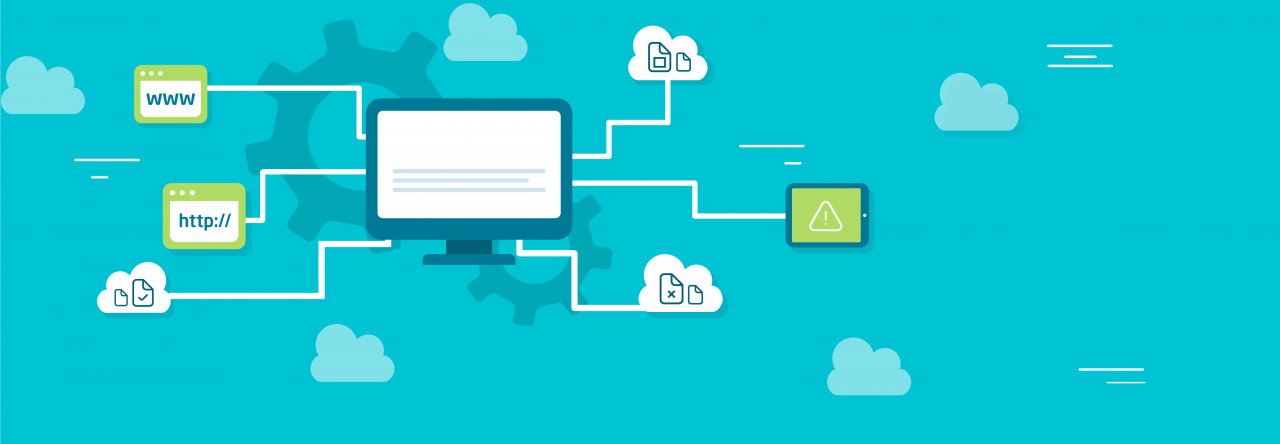
Website security is traditionally associated with protection from hacks, viruses, or DDoS attacks, but in reality, there is another critically important element that even experienced website owners often overlook. This refers to DNS records — the fundamental mechanism that ensures users land on your legitimate website rather than a malicious copy created by attackers. DNS, or the Domain Name System, is the system that translates human-friendly domain names into technical IP addresses. Essentially, it is the “phone book” of the internet. If DNS works incorrectly or is modified by an unauthorized party, your website may become inaccessible, visitors may be redirected to phishing pages, and domain mail services can become completely blocked. This is why DNS protection is just as important as safeguarding servers or web applications.